BABY LED WEANING
The process of introducing solid meals to your baby that encourages them to self-feed and take control of their mealtimes is known as baby-led weaning (BLW). This approach uses finger meals instead of purées or spoon feeding.
Around ten years ago, a well-known parenting book in the UK first used the term “baby-led weaning,” but in North America, where weaning is often understood to mean ceasing to breastfeed and bottle-feed, it can be perplexing. An introduction to solids that relies on a baby self-feeding is sometimes referred to as “baby-led feeding” or “complementary feeding” in Canadian and American sources. That, however, is also not baby-led weaning, which takes a more pure approach to allowing your baby to feed themselves when it comes to solids.
It could encourage independence. But is it secure and reliable?
As purées are soft and sometimes simpler for young mouths to swallow than other foods, most parents have selected purées as their children’s first solid foods for decades. Recent research, however, suggested that those who began baby-led weaning could have the same risk of choking as those who were fed soft meals.
It’s said to foster the growth of a self-assured, healthy eater, which appeals to many mothers. Also, many who have used the technique endorse it.
However, even though you may be thinking of beginning baby-led weaning as soon as your kid is ready for solid meals, you should always consult your pediatrician about it.

Table of contents
What you need to know about BLW and Chocking
-
-
- Benefits of BLW
- BLW and breastfeeding
- Does my baby need teeth for BLW?
- How to start baby-led weaning
- Mixed approach
- How to prepare your house for BLW
- Disadvantages of BLW
-
Benefits of BLW
Baby-led weaning can have some very amazing advantages. The baby practices eye-hand coordination and dexterity a lot since they must use their own hands and fingers to pick up their food and carry it to their little lips.
Their fine-motor abilities have an opportunity to grow significantly when their pincer grasp begins to appear. Baby-led weaning also helps oral-motor coordination, like chewing, swallowing, and tongue placement. Because newborns have so much more experience using their tongues and lips to chew actual food, many parents claim that this method is effective in reducing toddler gagging and choking.
The main benefit of baby-led weaning for most parents is how it promotes the formation of healthy eating habits. Many kids who experience baby-led weaning as toddlers develop into more adventurous eaters because they get to experience the flavors, textures, and aromas of a range of foods rather than simply purees.
A very early (and crucial) lesson in self-regulation is also provided by baby-led weaning; newborns learn to stop eating when they are satisfied. When these infants are self-feeding, they are not as likely to overeat than when they are given purees. This is thought to be a crucial element in avoiding obesity in the future.
So, to sum up, the main benefits of BLW are:
- Increase and improve their fine-motor abilities.
- Less prone to overeat.
- Homemade food is cheaper and healtyer.
- Less picky about what they eat.
- Reduced risks of childhood obesity
- The baby will eat the same meals that your family does and at the same time.
- Early exposure to a diversity of cuisines and maybe less prone to develop a fussy eating habit.
BLW and breastfeeding
Breastfeeding is a natural prelude to BLW, according to Rapley & Murkett (2008), because self-feeding is intuitive for infants from birth. Babies who are nursing regulate their own eating at the breast by employing the chewing-like mouth muscles. Also, the flavor of breast milk varies depending on the mother’s diet at each feeding, exposing breastfed children to a variety of flavors from birth (35-37). In fact, exposing newborns to flavors at a young age frequently makes them more accepting of food and ready to try new sensations in the future. It is crucial to remember that formula-fed babies can benefit from BLW just as much; but, because they were not exposed to a variety of flavors prior to starting solids, it can take them a little longer to get used to it.
Does my baby need teeth for BLW?
No! The front teeth are not used for chewing until the rear molars erupt, and the gums are extremely robust. In reality, a baby’s ability to chew solid foods has little to do with their teeth.
So, contrary to popular opinion, your baby does not need a single tooth in order to eat finger foods, just as long as the food is diced into small enough pieces and is soft enough for his gums to mash.
How to start baby-led weaning?
The focus of this feeding technique is on your baby’s independence; your kid chooses when to start eating solid meals, what they eat, and how much food they get.
You won’t need to prepare or purchase purées, select the foods you want them to consume, and spoon-feed them. With this self-feeding method, you give your child some finger foods instead.
It is important to be patient. It’s only natural that as parents, we get quite enthusiastic about the next developmental milestones for our child. But, we must keep in mind that kids develop and learn at their own rate, and witnessing the entire process take place is a gift in and of itself. Even while you might start giving your baby finger foods at six months, they might not truly start eating for a few months.
To start later than at 6 months is perfectly fine as breastmilk or formula should be a baby’s main source of calories and nourishment until they are 12 months old as learned in our breastfeeding post.
Even though it occasionally seems tedious and lengthy, the exploration and discovery phase of baby-led weaning is essential to its success. There is no need to pressurize, or correct your baby too much and too often when they are eating since the exploration and the chaos is part of the process. Your little child only requires your support and encouragement.
So, when wondering how and when to start BLW, you should consider some facts such as readiness, disponibility, allergies between others.
How to know if your baby is ready for BLW?
Sometimes it can be difficult to determine if your baby is ready to start with solids and, when they are, if they are ready to start with BLW. Usually your pediatrician will tell you when it’s the right time, usually around 6 months. in addition, here are a few visual indicators to look out for:
- Your baby has strong neck muscles, so they can sit up by themselves.
- They may use their jaw motions to transport food to the rear of their mouth.
- They exhibits a desire for food
- They reduced tongue-thrust reflex, which causes babies to spit objects out of their mouths.
You can begin by offering them modest amounts of food as soon as you notice that they may be prepared. Examples include banana chunks, avocado, and steamed broccoli florets. You might also serve them little pieces of omelet or chicken.
It is very important to introduce one type of food a day, this will reduce the chances of stroking for allergies and it will allow you to detect which food is damaging your kid. For example, when you want to introduce egg, do not introduce it all at once, do first the yolk and another day the white part. This way, if your baby is allergic to the yolk’s protein, you will be able to take it off of their diet instantly.
You’ll see that your toddler may grab the food with their full palm. It is typical. They’re still unaware of the pincer clasp (using their thumb and index finger).
What Foods Should I Start With For Baby-Led Weaning?
Your kid could find it simpler to grip foods that are the size of your finger. These meals should be solid enough to be grasped but not so hard as to pose a choking hazard.
A part of the ideal meal can stick out of their hand for them to view, investigate, taste, and consume while being lengthy and hard enough for your baby to pick up and hold.
Your baby just needs a modest bit of solid food to begin with, once daily, at a time that works for you both.
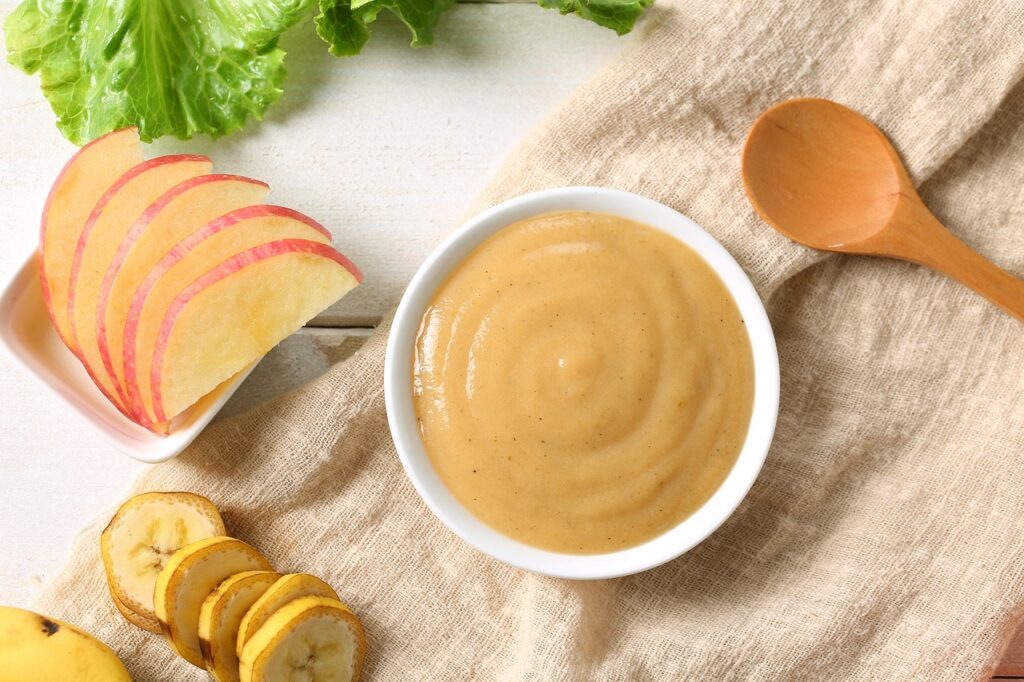
Try blending, mashing, or soft cooking sticks of parsnip, broccoli, potato, yam, sweet potato, carrot, apple, or pear to start weaning your baby. You may also give baby rice diluted in your child’s regular milk a try. When giving any cooked food to your infant, make sure it has completely cooled down.
Food groups
Keep in mind that newborns don’t need salt or sugar in their food (or cooking water). Sugar may promote tooth decay, and salt is bad for babies’ kidneys, so they shouldn’t eat it.
Add veggies like broccoli, cauliflower, and spinach that aren’t very sweet; this will assist your infant become accustomed to a variety of flavors (rather than just the sweeter ones like carrots and sweet potato). This may help kids avoid being picky eaters when they become older.
Increase the quantity and diversity of the following dietary categories gradually.
Vegetables
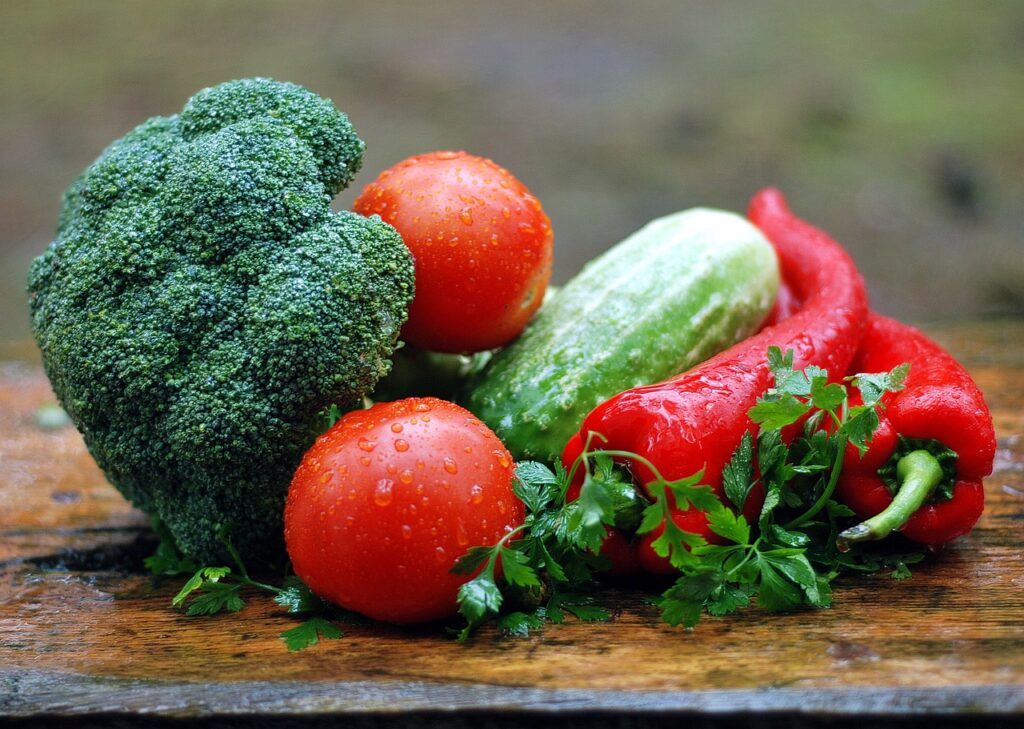
Cook to soften them, then mash or blend veggies to a suitable texture for your baby – or give them as finger foods. Offer a variety including ones with bitter flavors:
- broccoli
- parsnips
- peppers
- peas
- cauliflower
- swede
- spinach
- green beans
- courgette
- asparagus
- kale
- carrots
- avocado
- butternut squash
- cabbage
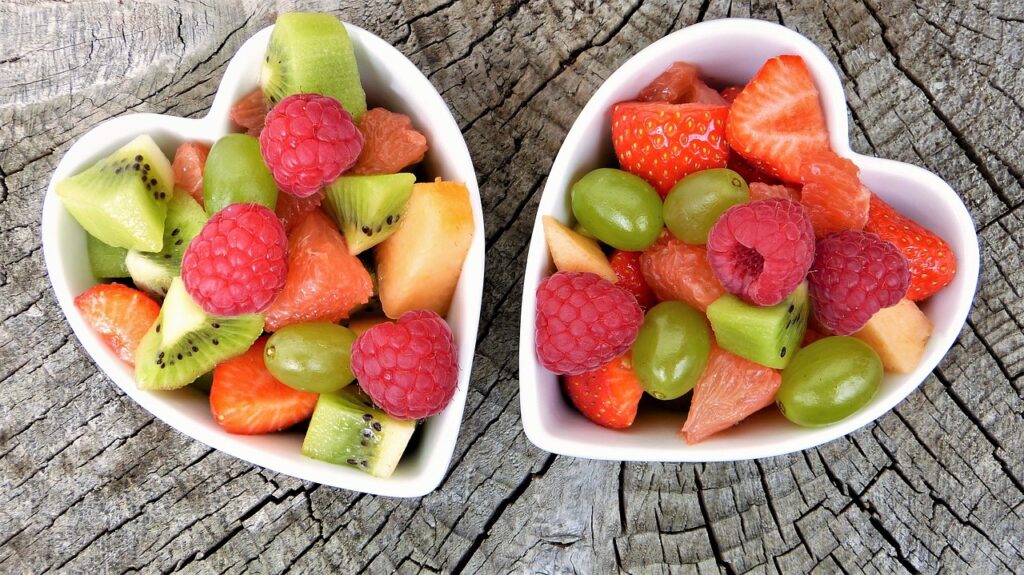
Fruit
Mash or blend soft ripe fruits to a suitable texture for your baby, or give them as finger foods. Harder fruits will need to be cooked to soften them. Wash and remove any pips, stones and hard skin. Fruit includes:
- bananas
- blueberries
- kiwi
- oranges
- apples
- raspberries
- mango
- nectarines
- pears
- strawberries
- pineapple
- papaya
- melon
- peach
- plums
Starchy foods
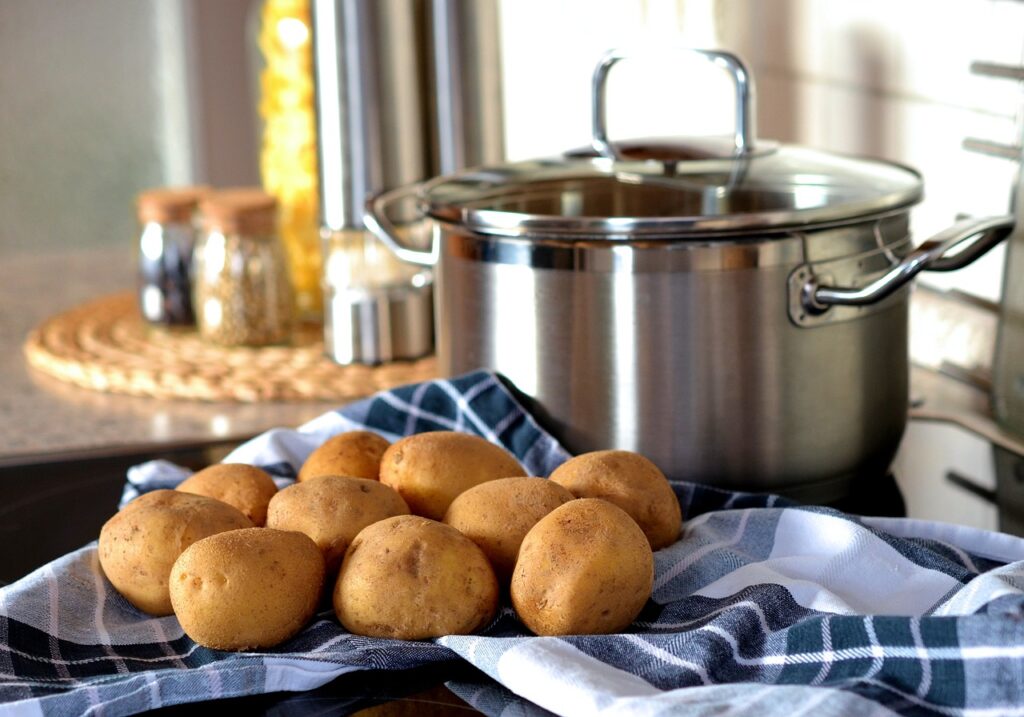
These can be cooked, where necessary, and mashed or blended to a suitable texture for your baby or offered as finger foods. Cereals can be mixed with breast milk or first infant formula – or with pasteurised whole (full-fat) cows’ milk (or goats’ or sheep’s milk) if your baby is over 6 months old. Starchy foods include:
- potato
- sweet potato
- rice
- baby rice
- pasta
- porridge
- oats
- oatmeal
- cornmeal
- maize
- millet
- quinoa
- toast
- bread
- chapatti
- pitta bread
Protein food
This food group includes meat, fish, eggs, beans and pulses and is suitable from around 6 months. As well as giving your baby protein, these foods contain other useful nutrients, such as iron and zinc, which are important for babies.
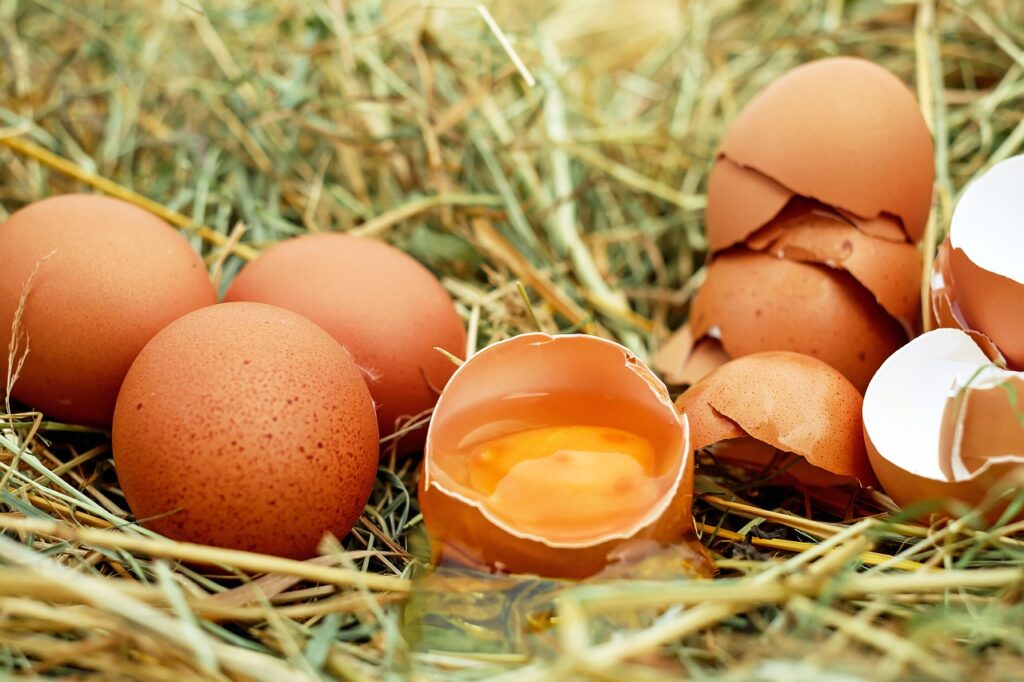
- Eggs: Make sure you buy eggs stamped with the British Lion stamp mark. There have been improved food safety controls in recent years. So infants, children and pregnant women can now safely eat raw or lightly cooked hen eggs (as long as they have the British Lion stamp), or foods containing them.
If you have a severely weakened immune system or are on a medically supervised diet prescribed by health professionals, you should cook all eggs thoroughly. Read about the healthy way to eat eggs.
Protein foods include:
- chicken
- turkey
- beef
- lamb
- pork
- fish (no bones)
- egg
- lentils
- beans
- tofu
- pulses, such as chickpeas
Dairy
Pasteurised dairy foods such as pasteurized full-fat yogurt and cheese are suitable foods for your baby from around 6 months.
Full-fat, unsweetened or plain yogurts are a good choice because they don’t contain added sugars. Whole pasteurized (full-fat) cows’ milk, or goats’ or sheep’s milk, can be used in cooking or mixed with food from around 6 months old, but not as a drink until your baby is 12 months.
It is better smooth or lumpy?
When your baby is ready, consider introducing mashed and finger meals (from purées or blended foods) to help them quickly become used to new textures and flavors. This aids in their development of chewing, oral movement of solid food, and solid food swallowing.
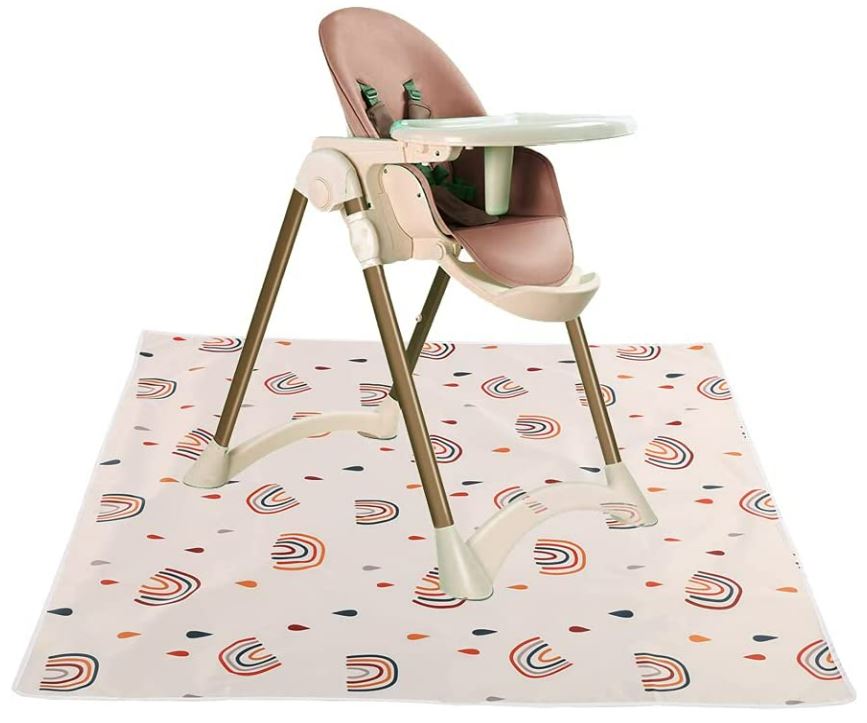
You might need to put a mat under the highchair if you give your baby a spoon and let them try to feed themselves as learned in our post about essentials for BLW.
Although it takes varying periods of time for babies to adjust to bumps, it’s a necessary skill for them to acquire. From approximately 6 to 7 months, just keep giving them lumpy textures and stay with them to make sure they are securely ingesting it.
Finger foods help get them used to different textures, they love picking bits of food up and feeding themselves – this is also good for developing their hand-eye coordination.
Cutting food for BLW
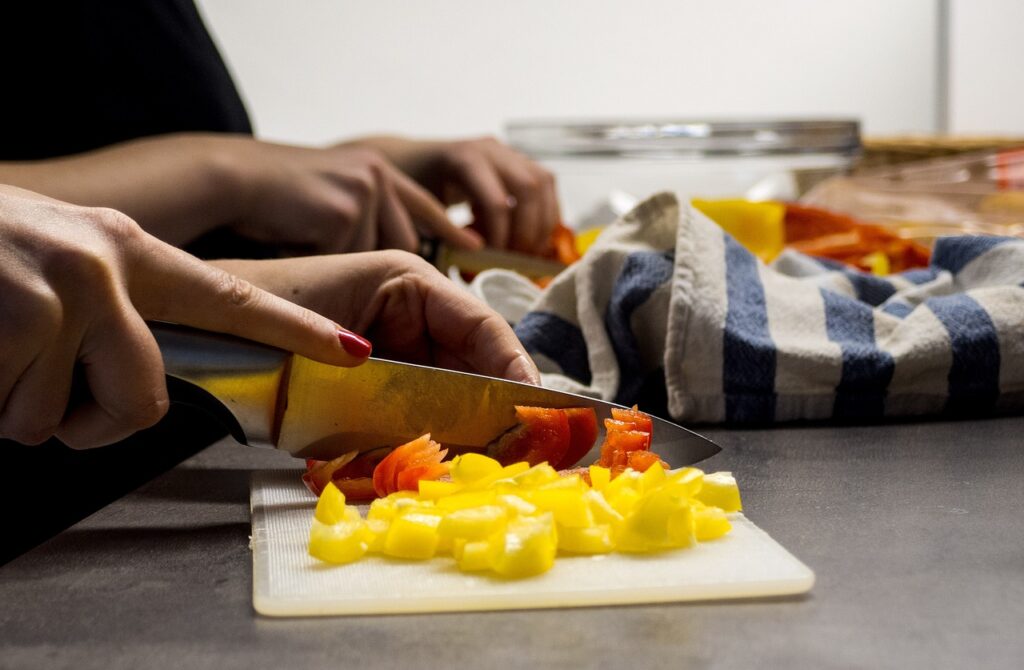
To reduce choking hazards, the American Academy of Pediatrics advises giving your kid meals that are smaller than half an inch in diameter.
Here are some ways to cut food for your child’s safety:
- Cut small, round fruits such as grapes, blueberries, and cherry tomatoes into thinner, smaller strips
- Avoid circles or circular designs
- Little batons or stick-like cuts may be preferable
- Peel sausages, fruits, and vegetables before cutting
- Remove bones from fish, meat, or poultry products before cutting
- Remove seeds, including pips (small hard seeds)
With which foods should I be careful when doing BLW?
Allergy hazards
In order to detect any issue, it’s crucial to introduce foods that might cause allergic reactions one at a time and in very little amounts. As part of your baby’s diet, these foods can be offered starting about 6 months, just like any other foods:
- Animal milk: in cooking or mixed with food
- Eggs: introduced in separate days the yolk and the white
- Foods such as wheat, barley, and rye as well as almonds and peanuts all contain gluten so it is better to serve them crushed or ground and one at a time
- Seeds: serve them crushed or powdered
- Shellfish from soy: don’t serve raw or barely cooked
- Fish
Continue providing such items as part of your baby’s regular diet once they have been introduced and if they are tolerated (to minimize the risk of allergy).
Allergy Hazards
How to detect an allergy reaction
No matter what food you’re introducing, check for signs of allergic reactions:
- Skin swelling
- Tongue swelling
- Difficulty swallowing
- Hives
- Itchy lips
- Sneezing
- Wheezing
As stated before you should introduce different foods gradually so you can easily determine which foods might trigger an allergic reaction in your child.
How to introduce possible allergens to reduce allergies
While it’s often advised to avoid common allergens when introducing foods, current research suggests that in high-risk individuals, introducing certain foods early on may potentially reduce the development of food allergies.
Nonetheless, research indicates that giving peanuts and eggs to your infant when he or she is about six months old may avoid the development of allergies. But if your infant isn’t yet ready to eat or is under four months old, you shouldn’t do it.
During this time, introducing complementary foods, a varied diet, and other potential allergens may also assist to improve food allergy avoidance.
Nonetheless, be sure your doctor has given the go-ahead. Avoiding foods that your child is already allergic to is also crucial.
Also, while doing baby-led weaning, use caution, especially when using peanuts or peanut butter since these might be choking dangers.
Choking hazards
Choking with BLW is, obviously, way more possible than with breastfeeding or puré. However, if everything’s under control it should not happen.
In order to keep your baby away from any major issues with choking, you should avoid meals that might cause choking for the sake of your baby’s safety.
- Hard foods such as nuts, apples, and raw carrots
- Hard snacks such as pretzels, nuts, popcorn, corn chips, teething biscuits, cereals, granola bars, or tortilla
- Whole grapes, cherry tomatoes, blueberries, and other uncut round foods
- Hot dogs or anything with a hard peel or skin
- Sticky peanut butter or other nut butters
- Raisins
- Raw and, therefore, hard vegetables
You can still introduce these foods if prepared differently. Examples are steaming the hard vegetables or smashing or cutting blueberries into small pieces.

Gag Reflex Vs. Choking: What’s The Difference?
Starting meals, whether in the form of purée or BLW, causes newborns to gag reflexively. Moreover, it serves as one of the body’s safeguards against choking. It’s crucial to understand how to differentiate between these two because they exhibit similar symptoms.
Possible gagging symptoms include:
- Bringing swallowed food back into the mouth
- Gurgling, sputtering, or coughing loudly
- Your baby’s tongue may be thrust forward
- Possible spit up or vomiting
- Their face might become red
Choking happens when something blocks your child’s airways. It may happen if the gag reflex fails.
Possible choking symptoms include:
- Struggling to breathe or cough
- Possible high-pitched sounds while breathing
- Their face and lips might turn blue
Learn to distinguish between the two so you’ll know when to intervene. Avoid attempting to stop your infant from gagging or throwing up. Getting involved might result in choking and asphyxia.
Choking is a different story because it can be a silent killer. It’s a good idea to enroll in an infant CPR course so you can learn the Heimlich technique for newborns and small children. Besides, even though you have the course and know the technique it is important to always make an emergency service call.
Other ways to reduce choking risk
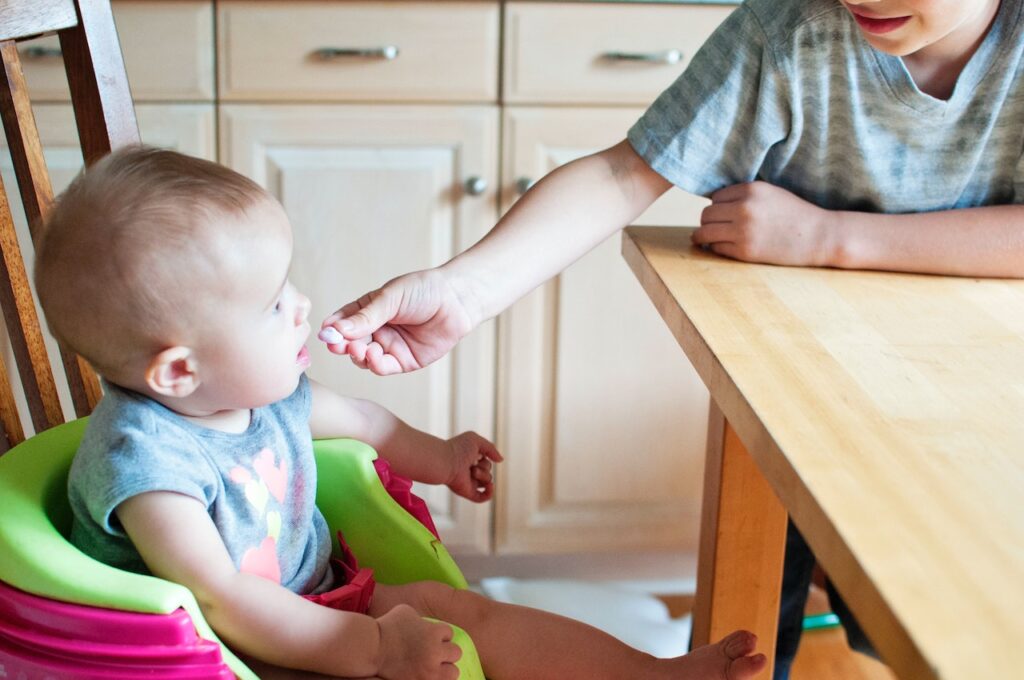
- Never leave your child unattended while eating, even for just a few minutes.
- Discourage older children from sharing their food with your baby.
- Don’t let your child lie down, crawl, or walk around while eating.
- Make sure your child sits on a sturdy but comfortable high chair throughout the meal.
- Don’t serve food in the car seat or stroller.
What about drinks?
Provide your baby sips of water from an open or free-flowing cup throughout mealtimes. Your kid will learn to drink from an open cup or a free-flow cup without a valve, which is also healthy for their teeth.
If your child is under six months old, it’s crucial to sanitize the water by first boiling it and immediately letting it cool or to only give them bottled water.
Avoid sugary beverages including milkshakes, fizzy drinks, squash, and fruit juice to help prevent tooth decay. You should avoid as well iced drinks since their stomach is still not ready, until 12 months old, to work with cold drinks. Even infant and toddler liquids can be high in sugar.
Cows’ milk is not a suitable drink until your baby is 12 months old, but it can be used in cooking or mixed with food from 6 months of age.

How do I know if my baby has had enough?
When doing baby-led weaning, it might be simple to discern whether your kid has received enough food since they will abruptly stop eating.
If your child is aware of what it feels like to be hungry and full, they will gradually learn how to self-regulate. They are in charge of their eating and are aware of what goes in their little mouths, so they are less prone to overeat.
All kids are different. Some babies will signal one way they are full and another will use a completely different approach to letting their caretaker know he or she is full. Fullness cues are important parts of baby feedings.
It’s critical to become familiar with your baby’s unique fullness cues. One of the most crucial skills you should impart to your child at a young age is to pay attention to their bodily hunger cues and to know when they are full.
It’s crucial to stop encouraging your infant to feed when he or she has shown a desire to stop.
Even if you might be able to persuade your infant to eat one or two more bites, over time you risk training him or her not to listen to their own body and perhaps to overeat in the future.
By the age of three, babies must learn to pay attention to their internal indications of fullness.
Possible signs that your baby is full
- Turns her head when you are trying to feed her
- Refuses another bite of food
- Shimmies hands flinging food off the table
- Throws food off the table
- Starts getting distracted and playing with anything and everything on the table
- Leans back in his chair
- Hands are pushing the spoon away
- Closes mouth and doesn’t reopen it
- Gets frustrated
Mixed approach
Babies under eight months old may struggle to handle little meals since their pincer grasp is still developing or is not yet fully formed.
If your baby appears irritated by their inability to grab the food, you may also think about using a mixed strategy.
Your toddler may spend more time tasting and exploring during the first few weeks of self-feeding than actually eating. Purées can thus be added as a supplement to assist them get the nutrients they need.
You may complement BLW with soft meals like whole plain fat or Greek yogurt, oats, applesauce, and purée-textured foods.
So even if you’re also giving your child purées, maintain giving them finger foods. Moreover, progressively lumpier or thicker purées might aid in the transition to finger foods.
How to prepare your house?
Prepare for a mess
Before every meal, make sure your baby’s high chair is tidy so that you may place food immediately on the tray. Yet, you must also acknowledge that your baby’s feeding routine will inevitably result in some mess.
Compared to spoon-feeding, baby-led weaning might be messier, but you can be ready for it:
- Choose a highchair with surfaces that are simple to clean.
- For simple cleanups, place a plastic tablecloth or trash bag under the highchair.
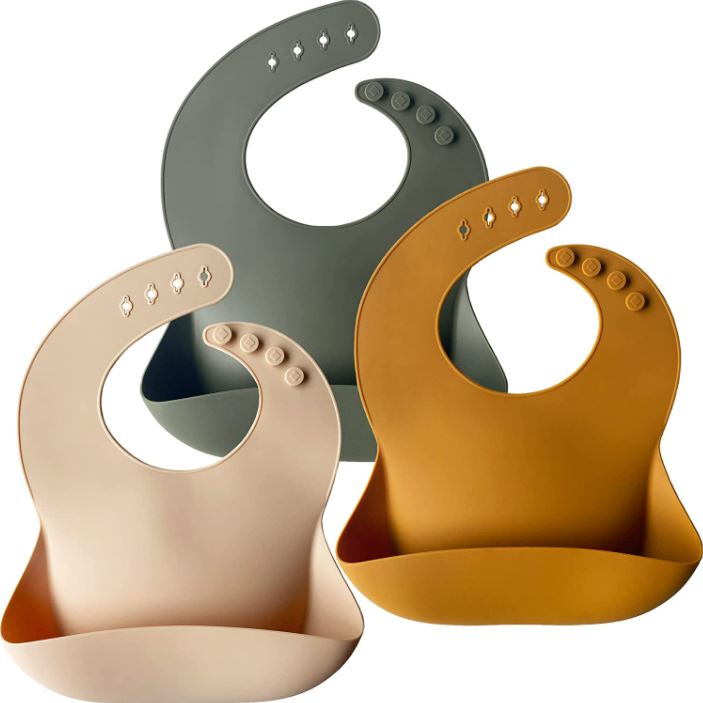
- Choose a bigger bib or an art smock.
- Mix dry foods in with “messy” meals (but watch out for choking hazards)
Choose the best utensils
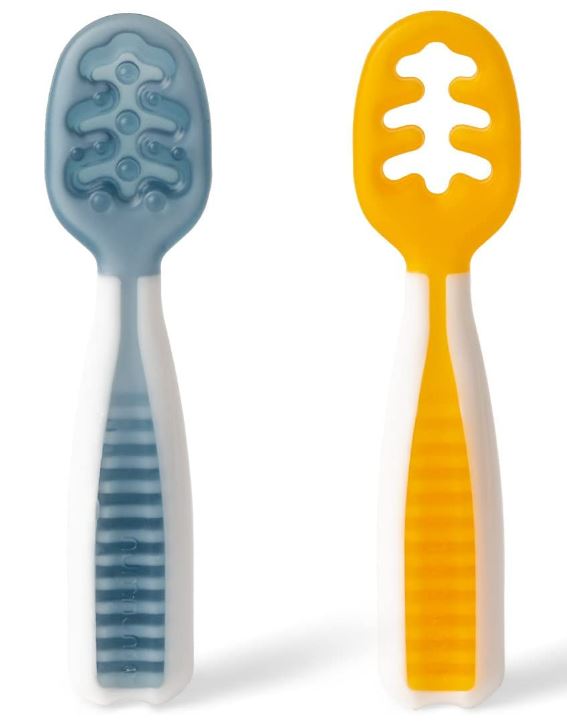
Even though you’ll start by letting your child use their fingers for eating, you can gradually introduce them to utensils. You can learn about the best baby-safe utensils for BLW in our post about the 7 essentials for BLW.
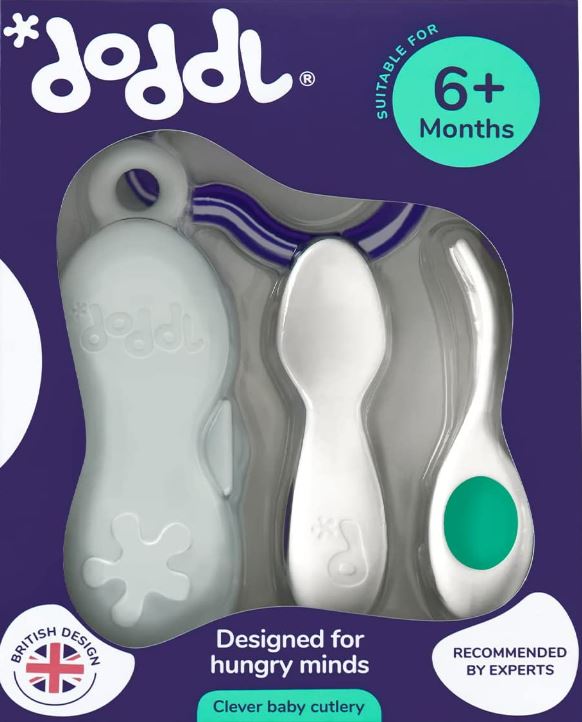
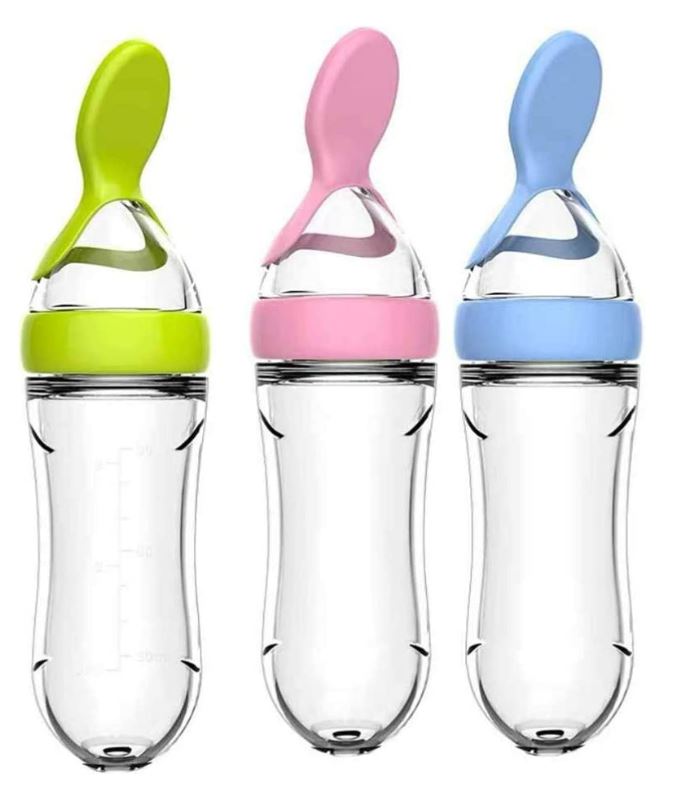
Make sure to choose baby-safe utensils:
- Avoid sharp utensils or regular ones you use for the family
- Choose silicone utensils
- Use BPA-free utensils: BPA or bisphenol-A is a toxic chemical in plastic manufacturing that can affect your child’s health and reproductive system development
- Avoid letting your child use objects that aren’t designed for eating including skewers or toothpicks
Check out our favorite utensils:
Take it as an investment for your kid’s future
BLW is time and energy consuming for the parents, sometimes it can be stressful and you may feel that is not worth it. However, nothing more far from reality. BLW is an investment for your baby’s future since the benefits are clear. In addition, it is a benefit for you, parents, since having a picky eater is quite annoying and with BLW it has been demonstrated that toddlers are more easy going regarding food.
In addition to the mess that comes with BLW, there are other factors that may also keep you from trying this method such as the risk of choking or the risk of allergy reaction.
Although it might be terrifying for you and your infant, little children frequently gag. The reflex mechanism of your newborn works to shield their airways from impediments. However, always be alert for choking symptoms.
For their own peace of mind and to better equip themselves for emergencies, parents and other caregivers may find it beneficial to enroll in a child-infant CPR training.
Try to be as calm as you can whether your youngster is choking or gagging. If you become anxious, your kid can experience the same thing.
For many families, watching TV during mealtimes is a regular tradition. Nonetheless, many physicians advise reducing distractions like TV viewing.
Your kid can concentrate on eating without interruptions, and you or other caregivers may concentrate on watching them while they eat. It helps you keep an eye on your child’s safety while eating and encourages bonding.
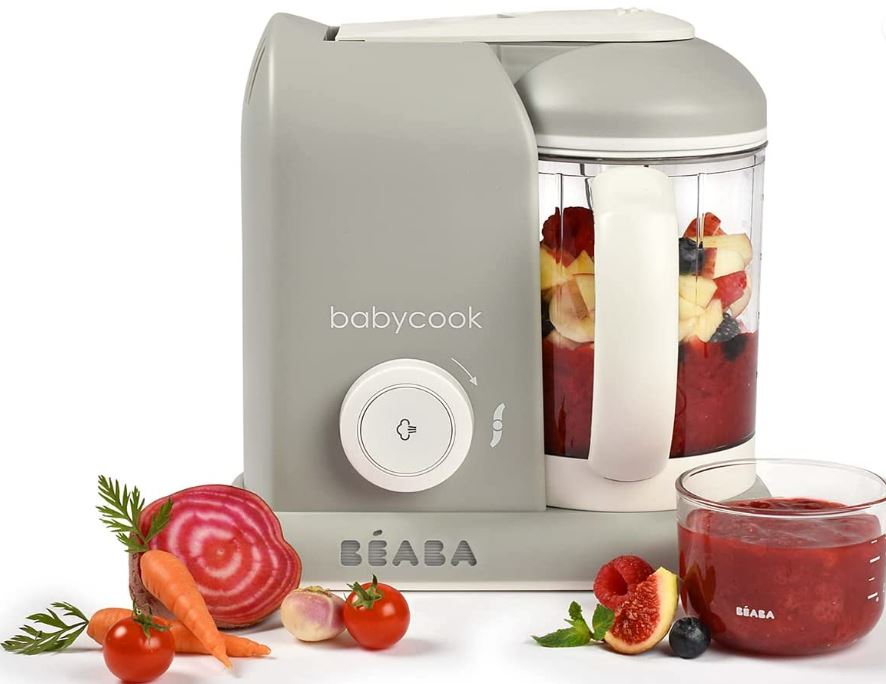
Also check our favorite Babycook and Floor Protector:
Disadvantages of BLW
There are not really many disadvantages, per se, but there are a few potential “negatives” or things to take into account before introducing BLW. At the end is a method to choose from and it is not the only option. Sometimes parents have to choose one or another not for their love or dislike for one but rather for their schedule, past experiences, economy between others.
Junk food
Families that enjoy eating processed and sugary meals may also introduce babies to junk food sooner.
Foods like pasta, cheese, bread, sugary sweets, and butter can cause excessive weight gain even when served in tiny doses, especially in young children.
But, children who begin with baby-led weaning may have a reduced risk of obesity if they are introduced to whole, healthful meals with less sugary or trans-fatty alternatives. At the end it all comes down to the family culture and diet.

Iron deficiency
Your child obtains the majority of the iron they require up until weaning from breast milk or baby formula. However this might become lessened when they begin weaning since some iron-rich meals, such as beef, can be too hard for newborns to chew on.
Nonetheless, you can attempt to include these items in your child’s diet if they are prepared and have no allergies:
- Seafood
- “Red flesh”: beef, lamb, pork, goat, or venison
- Eggs
Chicken and turkey are both excellent suppliers of heme iron, a form of iron that is often present in animal products and is easily assimilated by humans.
Non-heme iron, which is less readily absorbed but can still supply part of this crucial vitamin for your baby’s requirements, is available from the following plant sources:
- Green beans
- Lentils
- Dark green, leaf vegetables
- Tofu
Infant cereals that are enriched with iron are also an option, but only on your pediatrician’s recommendation. These foods may be rich in iron, but they may be loaded with added sugars and arsenic. They can also provide a choking risk for young children.
Give your child meals high in vitamin C for optimum effects as these can encourage iron absorption:
- Papaya and Tomatoes
- Cabbage
- Broccoli
- Citrus fruits such as oranges and lemon
- The sweet potato
- Strawberries, raspberries, and blueberries are examples of berries.
Talking to your pediatrician is crucial, particularly if your kid won’t eat certain foods. To prevent iron deficiency anemia, which can result in delayed growth and a potential susceptibility to infections, your kid may need iron supplements.
Other
- Choking hazard
- It can be a mess
- It can create a bad eating experience for their siblings
Explore other Topics



Hot topics!
The best books for pregnancy, reading only one booked we have seen that the confidence of the mother in herself and the process is highly increased. Whether you’re looking for practical advice, emotional support, or simply an enjoyable read to help you relax, this list has got you covered. So grab a cup of tea, curl up on the couch, and explore the best pregnancy books of 2023.


Both moms and newborns can benefit from breastfeeding in terms of health. A newborn receives the best nourishment from breast milk, which also promotes growth and development. Breastfeeding can also help protect baby and mom against certain illnesses and diseases.


The Top 10 Breastfeeding Supplies Every New Mom Should Have


The Best Pregnancy Products of 2023: Your Essential Guide
The best method to receive the vitamins and minerals you need is through a balanced diet. Nonetheless, it’s possible to lack important nutrients when pregnant. Prenatal vitamins can help fill up any gaps if you are pregnant or trying to get pregnant.