Choose the best pacifier for breastfed baby
The best pacifier for breastfed baby have to be designed to mimic the shape and feel of a mother’s nipple to provide a comforting experience while being gentle on the baby’s developing oral structures. It is important to choose a great pacifier as it will help satisfy the natural sucking instincts without interfering with breastfeeding.
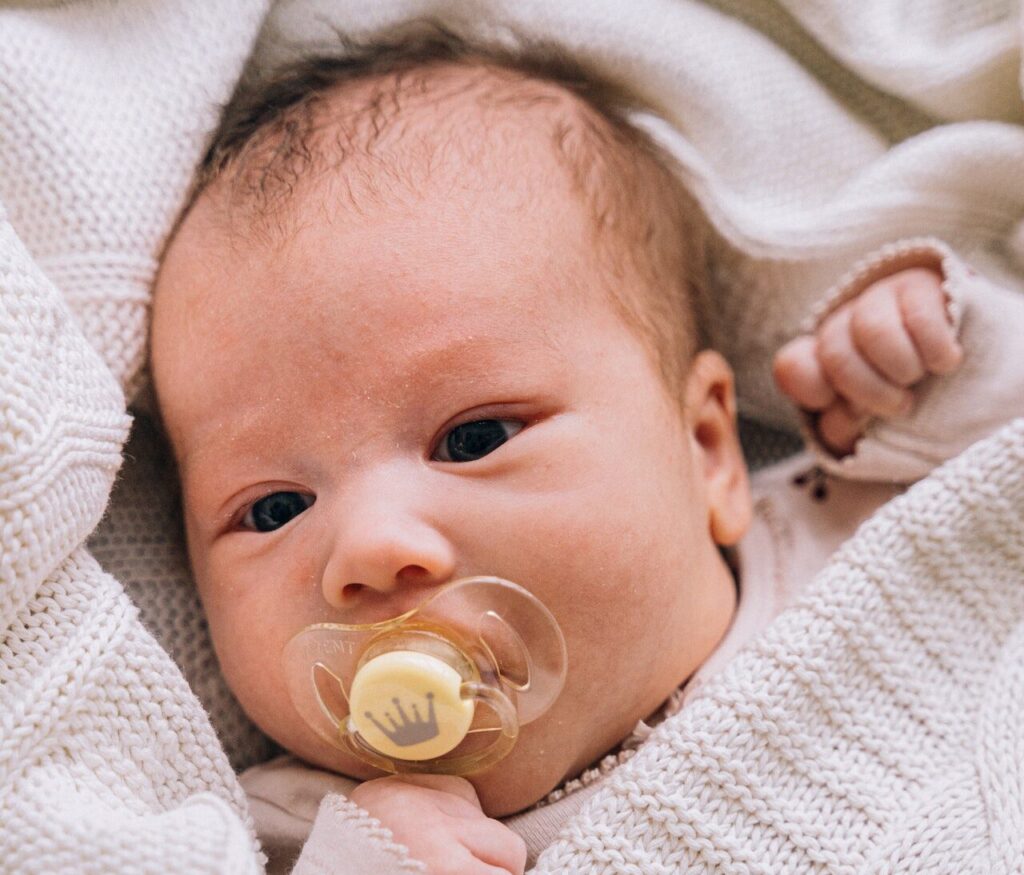
Why are pacifiers important? Pacifiers not only provide soothing and comforting feeling to the baby, but also is a great sleep aid and a great pain relief. Sucking is a natural instinct for infants, pacifiers can help calm a baby if they are fussy or upset.
Studies have suggested that pacifier use during sleep can reduce the risk of SIDS. While the exact reasons are not fully understood, it is believed that pacifiers help maintain an open airway and promote safer sleeping positions. Therefore decreasing sudden infant death syndrome (SIDS).
1. Benefits of Pacifiers for Breastfed Babies.
There are many benefits to breastfeeding a baby, such as an immune system boost, a better digestive health, a bonding and emotional connection with the mother, etc. Also, studies have shown that breastfed babies may have improved cognitive development, including better language skills, higher IQ scores, and enhanced cognitive abilities later in life.
The sucking action required during breastfeeding helps in the development of the baby’s oral muscles, jaw, and palate. The exercise of breastfeeding contributes to better oral motor skills, speech development, and dental health in the long run.
Therefore, pacifiers are a great transitioning tool, they can serve as a helpful tool during transitions from breastfeeding to bottle feeding or introducing solid foods (check out our post on BLW and introduction of foods). They provide familiarity and can ease the process of adapting to different feeding methods.
For more information on the benefits of breastfeeding check out our post: Why Breastfeeding: A Look at the 5 Main Benefits
2. Factors to Consider
First and foremost, think about the age appropriateness of the pacifier. Babies grow so quickly, and a pacifier designed for their specific age range ensures a perfect fit that is gentle and safe for their tiny mouths.
Consider the size and shape of the pacifier. You want it to be just right for your baby’s comfort, making sure it feels natural and soothing in their mouth. Look for a shape that mimics a mother’s nipple, as it can help support their sucking reflex and create a sense of familiarity.
The material of the nipple is crucial too. Silicone nipples are durable, easy to clean, and great for babies with latex allergies. On the other hand, latex (natural rubber) nipples provide a soft, skin-like texture that some babies find incredibly comforting.
Orthodontic design is an essential aspect to think about. A pacifier with an orthodontic shape promotes proper oral development, ensuring that your baby’s teeth and jaw align correctly. It’s a small but significant step in their healthy growth.
Ventilation is another important consideration. Look for pacifiers with ventilation holes on the shield. These tiny openings allow airflow, preventing the build-up of moisture and reducing the chances of skin irritation or rashes around your baby’s mouth. Keeping them comfortable and content.
Of course, safety is paramount. Ensure the pacifier meets safety standards and is free from harmful chemicals. A sturdy construction with securely attached parts provides peace of mind, knowing that your baby is safe and protected.
Lastly, don’t forget about your own preferences and your baby’s unique needs. Each baby is different, so be open to trying different options to find the pacifier that brings the most comfort and joy to your little one.
3. Top 10 Best Pacifier for Breastfed baby
Here we have compiled the best pacifiers in the market and ranked them, according to the factors that we just mentioned. As you can see the prices are fairly similar and given that a pacifier is an item that has a long use we recommend picking the pacifier according to the age range of your baby and material that you prefer as we made sure that all of these have an orthodontic design and ventilation included.
| Rank | Pacifier Model | Age Range | Nipple Material | Orthodontic Design | Ventilation | Price |
|---|---|---|---|---|---|---|
| 1 | Philips Avent Soothie | 0-3 months | Silicone | Yes | Yes | $11.89 |
| 2 | MAM Newborn Start | 0-2 months | Silicone | Yes | Yes | $5.99 |
| 3 | NUK Orthodontic | 6-18 months | Silicone | Yes | Yes | $6.99 |
| 4 | WubbaNub Infant | 0-6 months | Latex | Yes | Yes | $11.99 |
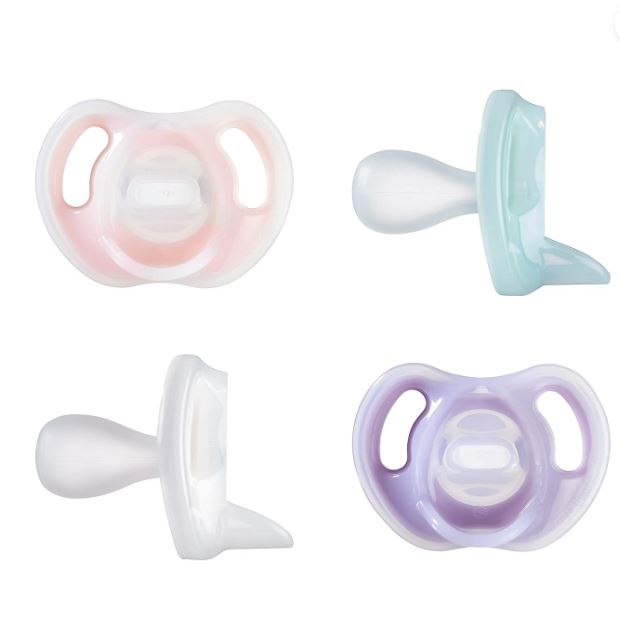
| 5 | Tommee Tippee Closer to Nature | 0-6 months | Silicone | Yes | Yes | $15.49 |
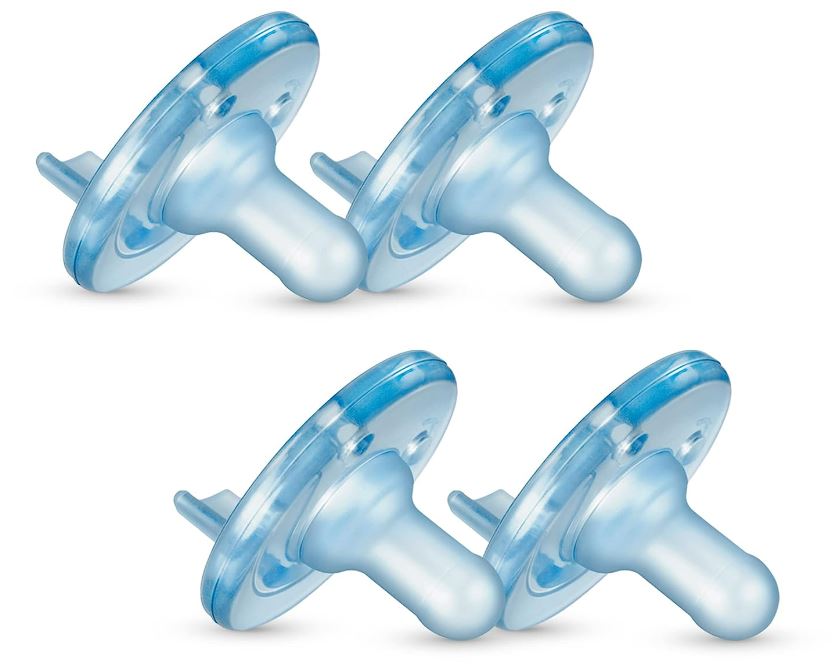
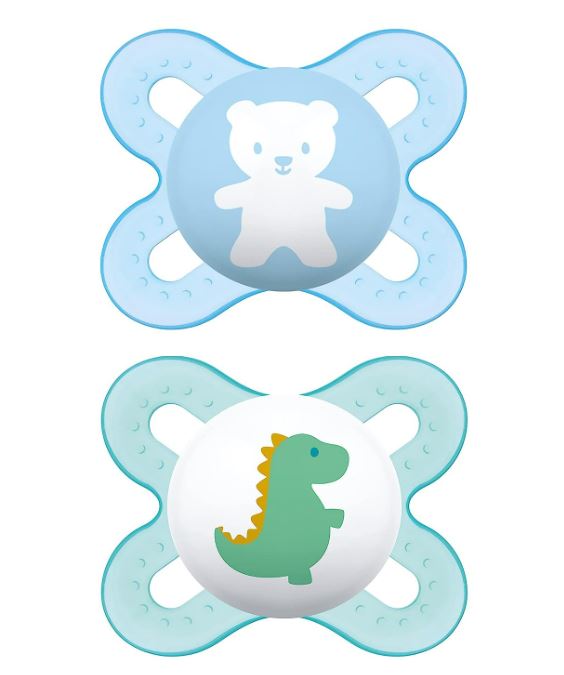
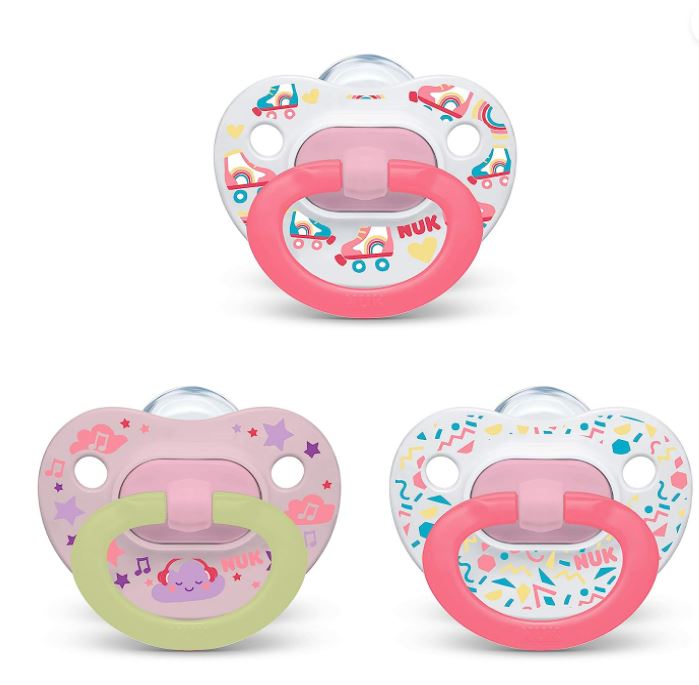
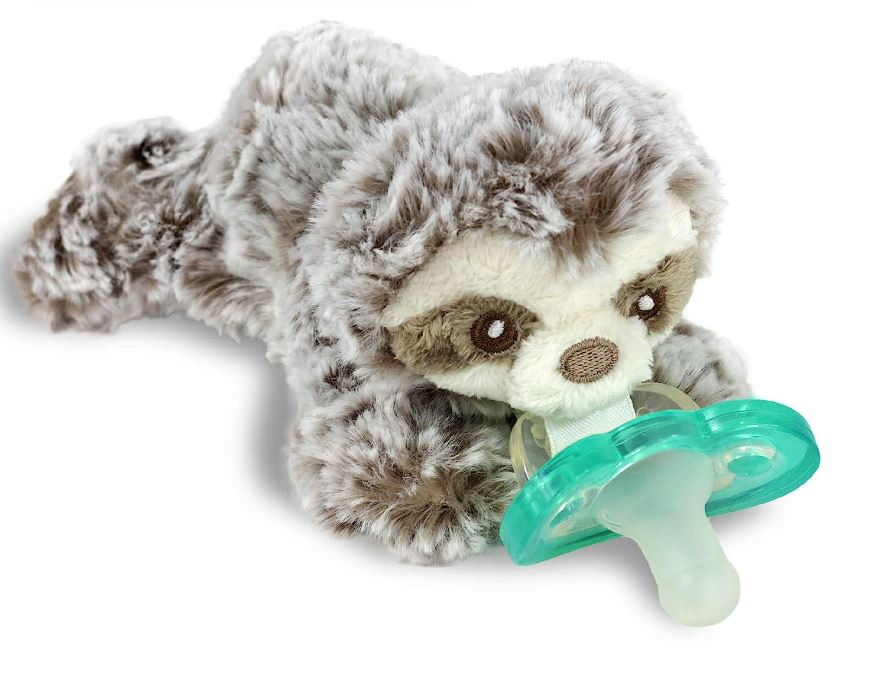
Orthodontic design refers to the shape and design of the nipple that mimics the natural shape of a mother’s breast during breastfeeding. An orthodontic pacifier is specifically designed to promote proper oral development, including the alignment of the baby’s teeth and jaw.
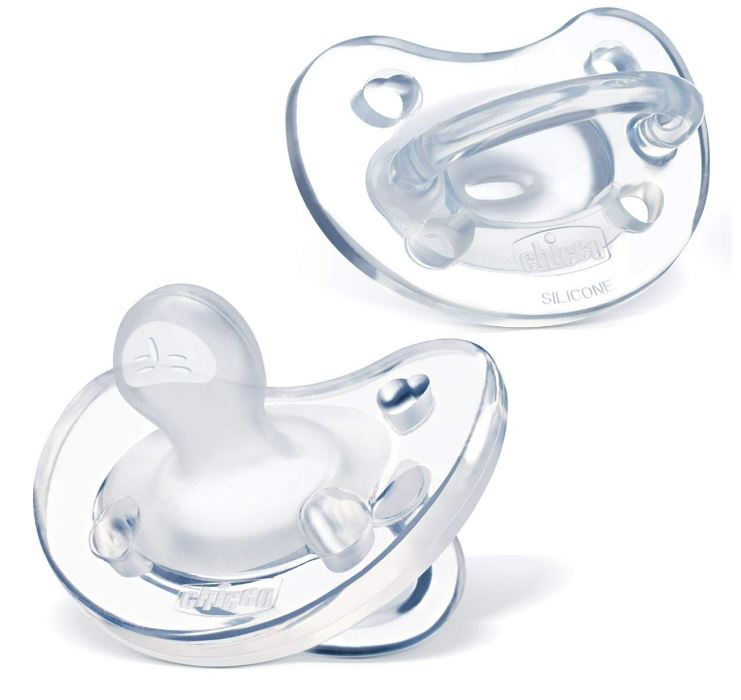
Ventilation refers to the presence of small holes or openings in the shield of the pacifier. These ventilation holes allow air to circulate, preventing the buildup of moisture and reducing the risk of skin irritation or rashes around the baby’s mouth.
| Rank | Pacifier Model | Age Range | Nipple Material | Orthodontic Design | Ventilation | Price |
|---|---|---|---|---|---|---|
| 6 | Chicco PhysioForma Silicone | 0-6 months | Silicone | Yes | Yes | $7.42 |
| 7 | Natursutten BPA-Free | 0-6 months | Natural Rubber | Yes | Yes | $11.99 |
| 8 | Bibs BPA-Free | 6-18 months | Natural Rubber | Yes | Yes | $15.99 |
| 9 | Dr. Brown's HappyPaci Silicone | 0-6 months | Silicone | Yes | Yes | $4.99 |
| 10 | Nuby Natural Flex Orthodontic | 0-18 months | Silicone | Yes | Yes | $3.49 |
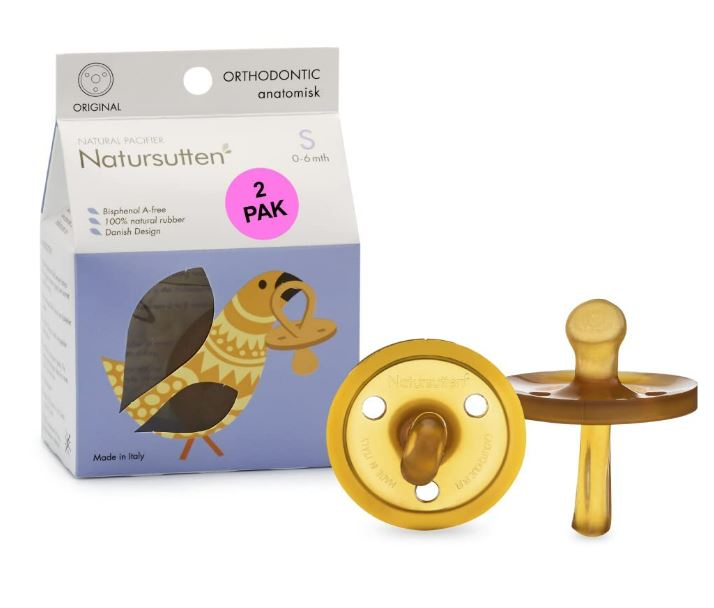
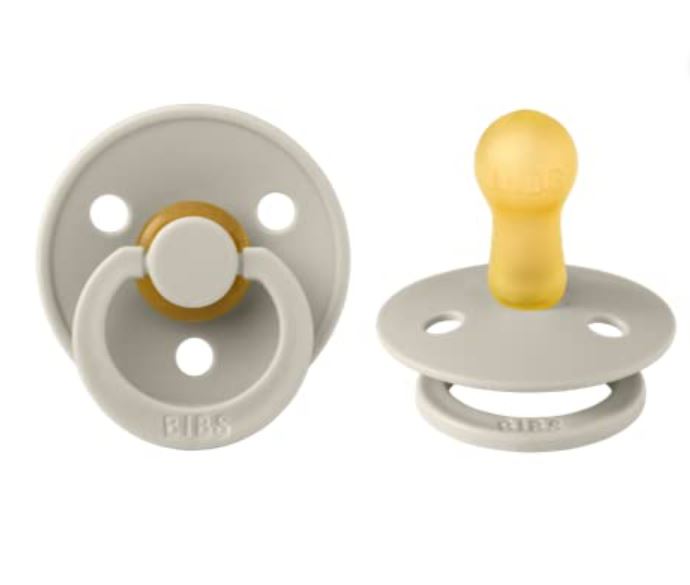
Nipple material: What are the differences
In general the pacifiers are made of silicone and latex (natural rubber). The choice of nipple material is often based on personal preference but here you can choose according to the characteristics of each if you are looking for your first pacifier.
- Silicone Nipples: These are made from a clear, durable, and easy-to-clean material. Compared to latex, these are much more firm, which some babies find much more comforting. Other perks of silicone is that is less likely to retain odors, colors, or flavors from food or drinks. It is also resistant to heat and can withstand sterilization methods such as boiling or steam sterilization. Silicone nipples are generally recommended for babies with latex allergies.
- Latex (Natural Rubber) Nipples:These are softer and more flexible, providing a more natural and “skin-like” texture. These tend to remind the babies more of the mothers nipple as they have a softer feeling. However, latex can be more prone to discoloration, may retain odors or flavors, and can deteriorate faster compared to silicone. If you decide for a latex made pacifier we recommend checking with regularity for signs of wear and tear and replaced if necessary.
This post contains affiliate links from Amazon. As an Amazon Associate, I earn from qualifying purchases. This means that if you click on the provided links and make a purchase, I may receive a small commission at no additional cost to you. I only recommend products that I trust and believe will bring value to my readers. Thank you for supporting MommyMajor through your purchases.
4. Final Thoughts and Conclusion
Every baby is unique, and their preference for pacifiers may vary. You can try offering different pacifiers from the list to see which one your baby takes to most comfortably. Pay attention to their reaction, ease of latch, and overall comfort.
Remember, choosing the right pacifier may involve some trial and error. It’s perfectly normal to try different options until you find the pacifier that your baby enjoys and benefits from the most.
By considering these factors explained above, you can choose a pacifier that not only provides soothing comfort but also supports your baby’s healthy development. Trust your instincts, follow your baby’s cues, and enjoy the precious moments with your little one!