
Baby Blues and Postpartum Depression
Excitation, delight, dread, and other strong emotions can all come out with the birth of a child. Yet, at this point of your life when everything you expect is joy, you can also fall into depression
After giving birth, most new mothers endure postpartum “baby blues,” which frequently include mood changes, crying bouts, anxiety, and trouble sleeping. The first two to three days after delivery are when baby blues often start, and they can long for up to two weeks.
Postpartum depression, on the other hand, is a more severe and pervasive type of depression that some new mothers endure. Because it can begin during pregnancy and persist after childbirth, it is also referred to as peripartum depression. Last but not least, postpartum psychosis is a severe mental illness that can occasionally appear after delivery and it is quite dangerous for you and for the baby.
Postpartum depression is neither a weakness or a deficiency in a person’s character. Maybe it’s just a side effect of the hormones of childbirth. Treatment for postpartum depression as soon as possible will help you control your symptoms and strengthen your relationship with your newborn.
The most important thing is to not feel bad or guilty for having depression after birth. Sometimes for fear of what other people will say women go through baby blues or postpartum depression without saying anything and it can be both distressing and dangerous since treatment is needed most of the time.

Baby blues vs Postpartum depression
While baby blues are very common, happening to up to 80% of mothers, postpartum depression is a more severe illness that is found in 15% of the mothers. Sometimes it might be scary to end up with one of these episodes and the best way to deal with them is to come prepared and not to be scared. Knowledge is power, if you can detect either of those happening to you, you will be able to ask for help quicker.
The two factors that can help you differentiate between postpartum depression and baby blue are:
- Timeline. The baby blues occur for a few hours each day and should disappear within fourteen days after delivery. On the other hand, postpartum depression can appear four weeks to several months after childbirth and linger up to a year.
- Symptoms. Anger, exhaustion, and melancholy are a few signs of the baby blues. Aggression, excessive stress, and maybe feelings of alienation from the infant are some of the most severe PPD symptoms.
It’s crucial to talk to your doctor about these fresh feelings, difficulties, and changes you are going through. You must seek assistance to determine the best course of therapy, whether you are suffering from postpartum depression or the baby blues.
Symptoms
Baby blue symptoms
As said before, baby blues usually only last a few days after delivery and it is very common, up to 80% of mothers go through them. SOme of the most common symptoms are:
- Mood swings
- Anxiety
- Sadness
- Irritability
- Feeling overwhelmed
- Crying
- Reduced concentration
- Appetite problems
- Trouble sleeping
Postpartum depression symptoms
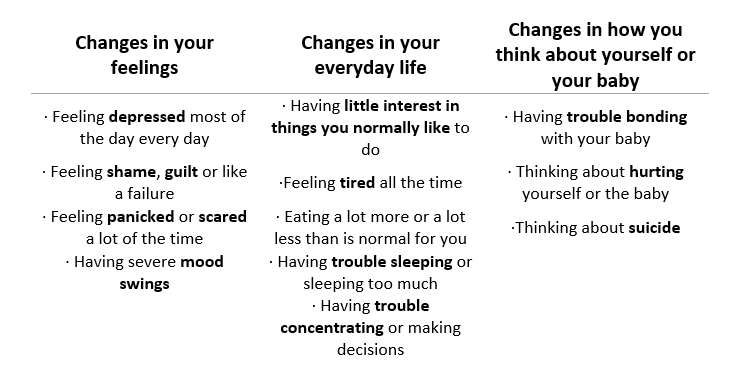
When first diagnosed, postpartum depression may be confused for baby blues; however, the symptoms are more severe and stay longer. They might eventually make it difficult for you to take care of your child and do other everyday duties. After giving birth, symptoms typically start to appear during the first several weeks. Yet, they could start sooner, during pregnancy, or later, up to a year after delivery.
Postpartum depression symptoms usually include:
- Depressed mood or severe mood swings
- Crying more than you usually would
- Difficulty bonding with your baby or identifying as yours
- Withdrawing from family and friends
- Loss of appetite or eating much more that you usually would
- Insomnia or hypersomnia (sleeping too much or too little)
- Overwhelming tiredness or lack of energy
- Not interested, or less interested, in sex
- Not enjoying activities you used to like
- Intense irritability and anger
- Hopelessness
- Worthlessness feeling, shame, guilt or inadequacy
- Reduced ability to think clearly or make decisions
- Restlessness
In more severe cases postpartum depression may lead to severe anxiety and panic attacks, thoughts or harming yourself or your baby and even recurring thought of death or suicide.
Postpartum psychosis symptoms
Postpartum psychosis is not common at all and it is usually very easily diagnosed. Only 1 in 500 women are affected by it after giving birth. It is the severest form of mental illness in mothers and is triggered by a family history of mental health problems, particularly a family history of postpartum psychosis, bipolar disorder or schizophrenia.
Postpartum psychosis usually develops within the first week after delivery with severe symptoms such as:
- Feeling confused and lost
- Having obsessive thought about your baby
- Hallucinating and having delusions
- Having sleep problems
- Having too much energy and feeling upset
- Feeling paranoid
- Making attempts to harm yourself or your baby
Postpartum psychosis may lead to life-threatening thoughts or behaviors and requires immediate treatment.
Causes
Postpartum depression has several causes, including heredity, physical changes, and emotional problems. There is not such thing as a “clear cause”.
- Genetics. According to studies, the likelihood of developing postpartum depression is increased if there is a family history of the condition, particularly if it was severe.
- Physical changes: postpartum depression may be exacerbated by a sharp reduction in estrogen and progesterone levels following delivery. You could experience a sudden decline in the amount of other hormones your thyroid gland produces, which can make you feel exhausted, lethargic, and sad.
- Emotional issues. When you’re exhausted and lack sleep, you might find it difficult to deal with even minor issues. You might be worried about being able to take care of a newborn. You can feel less attractive, have identity issues, or lack a sense of control over your life. Each one of these problems may be a factor in postpartum depression.

Postpartum depression in the other parent
According to studies, fathers (or not birth mothers) might also experience postpartum depression. They could experience changes in their regular eating and sleeping schedules, or they can feel depressed, exhausted, overwhelmed, or nervous. Mothers who have postpartum depression face the same symptoms.
The partners who are most susceptible to postpartum depression are those who are young, have a history of depression, have interpersonal issues, or are financially strapped. The same detrimental effects on romantic relationships and child development can be experienced by postpartum depression in dads or not birth mothers, often known as paternal postpartum depression.
Talk to your doctor if you’re the partner of a new mother and you’re experiencing depressive or anxious symptoms during or after the delivery of your kid. Postpartum depression in the other parent may be treated with the same therapies and supports as are given to moms who have the condition.
Risk factors
Postpartum depression is a condition that can arise after the delivery of any child, not just the first, and it can affect any new mother. You run a higher risk, though, if:
- You’ve already experienced depression, either before or after being pregnant.
- Bipolar illness affects you or someone in your durect family.
- You previously had postpartum depression.
- You know people in your family who have had depression or other mood disorders.
- Throughout the previous year, you’ve gone through stressful experiences including a job loss, sickness, or pregnancy issues.
- Your infant has medical issues or other specific requirements.
- You give birth to twins, triplets, or further multiples.
- You find it challenging to breastfeed.
- Your connection with your partner is experiencing issues.
- You have a weak support system
- You’re having money issues.
- It was an undesired or unexpected pregnancy.
Prevention
There is not a mathematical formula to prevent this kind of disorder, however, there is a way to avoid its complications. You should always ask your doctor about any doubts, or feelings you are experiencing to detect any illness as soon as possible. There is not shame in having postpartum depression or baby blue, neither in postpartum psychosis, not speaking out your bad feelings may even make things worse.
If you have a history of depression, particularly postpartum depression, you should start talking with your doctor or even a psychologist if you intend to get pregnant or as soon as you learn that you are expecting to reduce the risk of any complication and reduce the stress that may cause you to think that you may develop depression.
Your doctor can keep a careful eye out for depressive symptoms during pregnancy. A depression-screening questionnaire is available to you both during pregnancy and after delivery. With the help of therapy, counseling, or support groups, minor depression can occasionally be treated. Antidepressants may also be advised when pregnant in other situations.
Your doctor might advise a postpartum checkup soon after your baby is born to look for signs of postpartum depression. The sooner it is discovered, the sooner therapy can start. After birth, your healthcare professional can suggest talk therapy or antidepressant medication if you have a history of postpartum depression. The majority of antidepressants are safe to use during nursing.

Complications of postpartum depression
Postpartum depression can interfere with mother-child connection and lead to family issues if it is not managed.
For moms, postpartum depression, if left untreated, can last for weeks or even longer and occasionally develop into a chronic depressive condition. Women may quit nursing their babies, struggle to bond with and take care of them, and have a higher chance of committing suicide. Postpartum depression raises a woman’s chance of subsequent severe depressive episodes even when it is treated.
For the other parent it is also difficult to deal with either if they also experience postpartum depression or are living with the depressed mother and are trying to help her. Everyone close to a new infant may experience emotional stress as a result of postpartum depression. The likelihood of depression in the baby’s other parent may rise when a new mother is depressed. And whether or whether their spouse is affected, these other parents may already be at a higher risk of developing depression.
Finally, for the baby, untreated postpartum depression increases the risk of emotional and behavioral issues, including difficulty sleeping, eating, excessive crying, and delays in language development.
Diagnosis
To assist identify whether you have a brief episode of postpartum baby blues or a more serious type of depression, your healthcare professional will often speak with you about your feelings, thoughts, and mental health. Tell your doctor about your symptoms without feeling ashamed so that you can together come up with an effective treatment plan.
Your doctor may do a depression screening as part of your examination, which may involve having you complete a questionnaire. If more testing is required to rule out potential explanations for your symptoms, your doctor may do so.
Treatment
Depending on how severe your depression is and what your specific needs are, treatment and recovery times might vary. Your doctor may treat a previously undetected thyroid issue or an underlying illness, or he or she may send you to the right expert, depending on the situation, before starting treating your depression. You can also be referred to a mental health specialist by your healthcare practitioner.
Baby blue treatment
The baby blues typically go away by themselves in a few days to a week after pregnancy. As previously said, they are very common, up to 80% of women experience them. Whilst waiting for it to fade you can:
- Take every opportunity you have to relax and ask your partner to help you.
- Accept assistance from friends and family.
- Get to know other new mothers.
- Make time to look for yourself.
- Avoid recreational drugs and alcohol since they might exacerbate mood fluctuations.
If you are having difficulties producing milk or nursing, talk to your doctor about seeking assistance from a lactation consultant. You can learn more about breastfeeding in our post about everything you need to know about breastfeeding.
Postpartum depression treatment
Depending on your situation your doctor will advise a different treatment course. Psychotherapy (also known as talk therapy or mental health counseling), medication, or a combination of the two are frequently used to treat postpartum depression.
- Psychotherapy. It could be beneficial to discuss your worries with a psychiatrist, psychologist, or other mental health specialist. With therapy, you can learn improved coping mechanisms for your emotions, problem-solving skills, realistic goal-setting, and good situational responses. Therapy for families or relationships might be helpful at times. Interpersonal psychotherapy (IPT) and cognitive-behavioral therapy (CBT) are two examples of treatments for postpartum depression.
- Antidepressants. Your doctor could advise taking an antidepressant. Together with your healthcare professional, evaluate the advantages and disadvantages of various antidepressants to find the one that fits you the most. If you want to learn about which drugs are safe while breastfeeding you can check our post about breastfeeding.
- Estrogen. This hormone plays an important role in your menstrual cycle and pregnancy. During childbirth, the amount of estrogen in your body drops quickly. To help with PPD, your provider may suggest you wear an estrogen patch on your skin to replace the estrogen your body lost.
- Additional drugs. Further medications could be incorporated into your regimen if necessary. For instance, if you have postpartum depression together with extreme anxiety or sleeplessness, a brief course of antianxiety medication may be advised.
Postpartum depression symptoms generally get better with the right care. In certain instances, postpartum depression can persist and progress to chronic depression, which is a long-term form of the condition. As you start to feel better, it’s crucial to keep up with your therapy. Early treatment termination increases the risk of recurrence.
Direct and specific treatment for postpartum depression
The first medication expressly licensed by the FDA (American Food and Drug Administration) for postpartum depression in adult women is brexanolone (Zulresso). The fast decline of several hormones after childbirth that might cause postpartum depression is slowed by the drug brexanolone. Potentially harmful side effects necessitate a hospital stay and physician supervision while taking the medication intravenously for more than 60 hours. The therapy isn’t yet on the market due to these adverse effects.
With encouraging findings, research is still being done on an oral medication for postpartum depression. The drug under study functions similarly to brexanolone. However it might not have the same severe adverse effects if taken as a tablet every day.
Postpartum psychosis treatment
Psychosis following childbirth needs to be treated right away, typically in a hospital. It is very dangerous for the mother but also for the baby. Treatment options include:
- Drugs. To manage your signs and symptoms, treatment may involve a mix of medications, such as antidepressants, antipsychotics, mood stabilizers, and benzodiazepines.
- Electroshock treatment (ECT). If your symptoms do not improve after taking medication, ECT may be suggested if your postpartum depression is severe and you develop postpartum psychosis. Small electrical currents are used during ECT to deliberately trigger a short seizure in the brain. When other therapies have failed, ECT may help lessen the symptoms of depression and psychosis by altering the brain’s chemistry.
- Do not worry! it is not as in the movies at all, it is completely harmless.
The ability of a woman to breastfeed may be hampered by a hospital stay during postpartum psychosis therapy. Breastfeeding is challenging because of this distance from the infant. When you’re in the hospital, your healthcare professional may suggest lactation assistance. You can learn more about it in our post about breastfeeding.
A lifestyle that will help you with postpartum depression
Medical treatment is necessary for postpartum depression, however, there are things that you can do by yourself to increase the chances of getting better after the treatment. You may take certain actions on your own that complement expert therapy and hasten your recovery.
- Make healthy lifestyle decisions. Incorporate physical activity and other types of exercise in your everyday routine, such as taking your infant for a stroll. Be sure to get adequate sleep. Eat a nutritious diet and abstain from alcohol.
- Live with reasonable expectations. Do not put undue stress on yourself. Reduce your demands for the ideal home. Do your best to help, then leave the rest.
- Spend some time on yourself. Go out of the house and spend some time on yourself doing things that you enjoy. This might entail finding a sitter or asking a spouse to watch the child. Do something you find enjoyable, like a pastime or a fun activity. You might also plan some alone time with your spouse or pals.
- Avoid being alone. Discuss your feelings with your spouse, family, and friends. Inquire about the experiences of other mothers. You could feel more human again if you break the seclusion.
- Don’t be afraid to ask for help. Strive to be honest with your loved ones and let them know you need their support. Take advantage of any babysitting offers you receive. Take a nap if you can, watch a movie, or meet up with pals for coffee if you can. Asking for assistance with parenting skills, such as caregiving methods to enhance your baby’s sleep and calm fussing and screaming, may also be beneficial to you.
Keep in mind that caring for your infant also means caring for yourself.

Doctor appointment
During your initial visit, your doctor could suggest you speak with a mental health professional who can help you develop the best treatment strategy. To ensure that you recall everything that was said during your meeting, consider inviting a trustworthy family member or friend.
How to prepare for the appointment
Make the following list before your appointment to help you once you are inside:
- Note any symptoms you are having and how long you’ve had them.
- Also take note of all of your medical disorders, whether they are related to your bodily or mental health, like depression.
- All the medications you take, including prescription and non-prescription drugs, vitamins, herbs, and other dietary supplements, as well as the dosages.
- All your family history, at least, as far as you know.
Questions to ask to your doctor besides the ones that you already have:
- Are there any printed materials that I can have? What websites do you recommend?
- What are the possible side effects of the treatments you’re suggesting?
- How long will I need to be treated?
- What lifestyle changes can help me manage my symptoms?
- What is my diagnosis exactly?
- What treatments are likely to help me?
- How often should I be seen for follow-up visits?
- Am I at increased risk of other mental health problems?
- Am I at risk of this condition recurring if I have another baby?
- Is there any way to prevent a recurrence if I have another baby?
- How much and how soon do you expect my symptoms to improve with treatment?
- Is the medicine you’re prescribing safe to take while breastfeeding?
During the appointment do not be afraid to ask about anything else, your doctor will answer better than anyone.
What to expect
Your doctor or mental health professional could quiz you about things like:
- What feelings do you have, and when did they first appear?
- Do you have a familiar history of mental illness?
- Has the severity of your symptoms improved or worsened over time?
- Do your symptoms interfere with your capacity to look after your child?
- Do you bond with your child as strongly as you anticipated?
- Are you able to get out of bed when it’s time to wake up and sleep when you have the chance?
- How would you describe your level of energy?
- Your appetite has it altered?
- How frequently would you say you experience stress, irritability, or anger?
- Have you ever considered hurting your kid or yourself?
- How much help do you have raising your child?
- Do you have any other significant difficulties in your life, such as monetary or interpersonal issues?
- Have you had any further medical diagnoses made?
- Have you ever received a mental health diagnosis, such as bipolar disorder or depression? If so, whatever kind of therapy was most beneficial?
Depending on your answers, symptoms, and needs, your doctor may ask you more questions. Making the most of your meeting will need some preparation for questions.
Explore other Topics



Hot topics!
The best books for pregnancy, reading only one booked we have seen that the confidence of the mother in herself and the process is highly increased. Whether you’re looking for practical advice, emotional support, or simply an enjoyable read to help you relax, this list has got you covered. So grab a cup of tea, curl up on the couch, and explore the best pregnancy books of 2023.


Both moms and newborns can benefit from breastfeeding in terms of health. A newborn receives the best nourishment from breast milk, which also promotes growth and development. Breastfeeding can also help protect baby and mom against certain illnesses and diseases.


The Top 10 Breastfeeding Supplies Every New Mom Should Have


The Best Pregnancy Products of 2023: Your Essential Guide
The best method to receive the vitamins and minerals you need is through a balanced diet. Nonetheless, it’s possible to lack important nutrients when pregnant. Prenatal vitamins can help fill up any gaps if you are pregnant or trying to get pregnant.