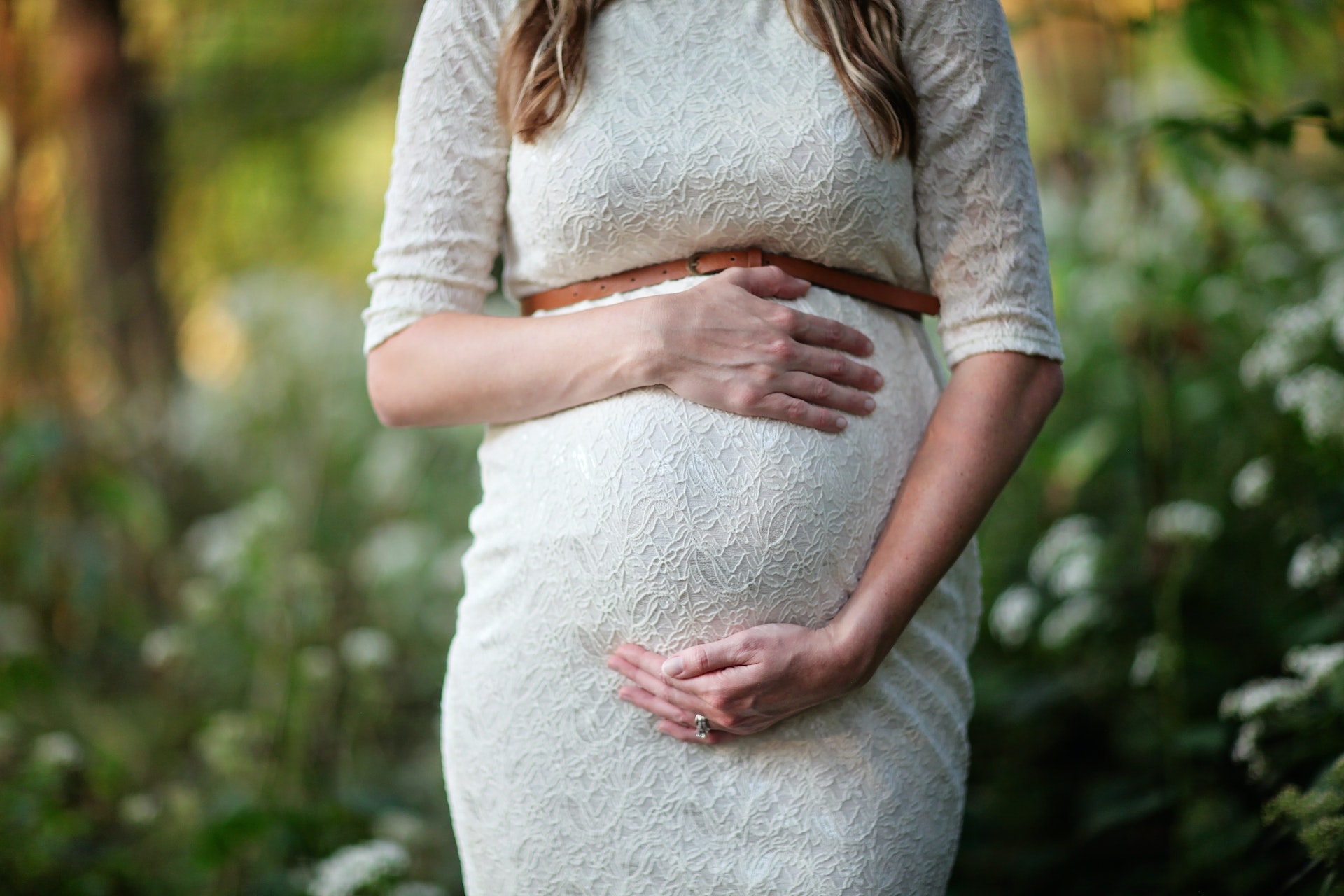
10 amazings ways your body changes during pregnancy
A woman’s body during pregnancy changes a lot. Besides the swallowing of the breast and the obvious increase of your belly, there are some less noticeable things that change during pregnancy. Some of them are quite unknown and very interesting to get to know. Here are some of them.
1. Blood volume in the body during pregnancy increases 40 to 50 percent
Your body really increases the volume of blood and plasma from the first few weeks of pregnancy by 30 to 50%. Why? because more blood is being expelled from your heart with each beat as a result of your heart working harder and more effectively. That may sound nasty, but the extra blood and plasma help your fetus grow and develop at its best. In addition, this increase in the blood supply reduces the mother’s risk of bleeding out during birth.
2. Your vagina becomes unrecognizable
You might notice that your vagina not only gets bigger but actually, also changes its color to a blue or purple (called Chadwick Sign). Both of these signs of pregnancy are due to an increase of the blood flow to this particular part of your body which is getting ready to give birth.
Moreover, you can detect a change in the smell or an increase in discharge and it is for the same reason, your vagina is getting ready to give birth and being highly hydrated is essential to avoid cuts during the kids’ way out.
There’s more, though, and this is the freakiest part; around 10% of expectant mothers develop vulvar varicose veins. Yep, you read it right: the weight and pressure of the uterus can really cause a reduction in blood return from your lower body, which can result in your vagina displaying large, painful, and blue varicose veins. The good news is that after a few weeks after delivery, they should all go away.
3. You will grow hair everywhere
Hormonal changes during pregnancy may cause the hair on your head or body to grow or thicken. Women may develop hair in places like the face, chest, belly, and arms where they don’t typically have any. This might seem stressful because even though your hair will look better than ever, you will spend hours kicking it out of other places of your body where you do not want it.
And whereas for the body it gets better three months after giving birth, you can start to notice that your hair is going out; some women also experience her hair fading away with the postpartum looking weaker than ever. Fear not; it’s simply your body returning to normal, which often happens six months after birth when you will have all your hair in place not one more nor one less.
4. You will get brain fog
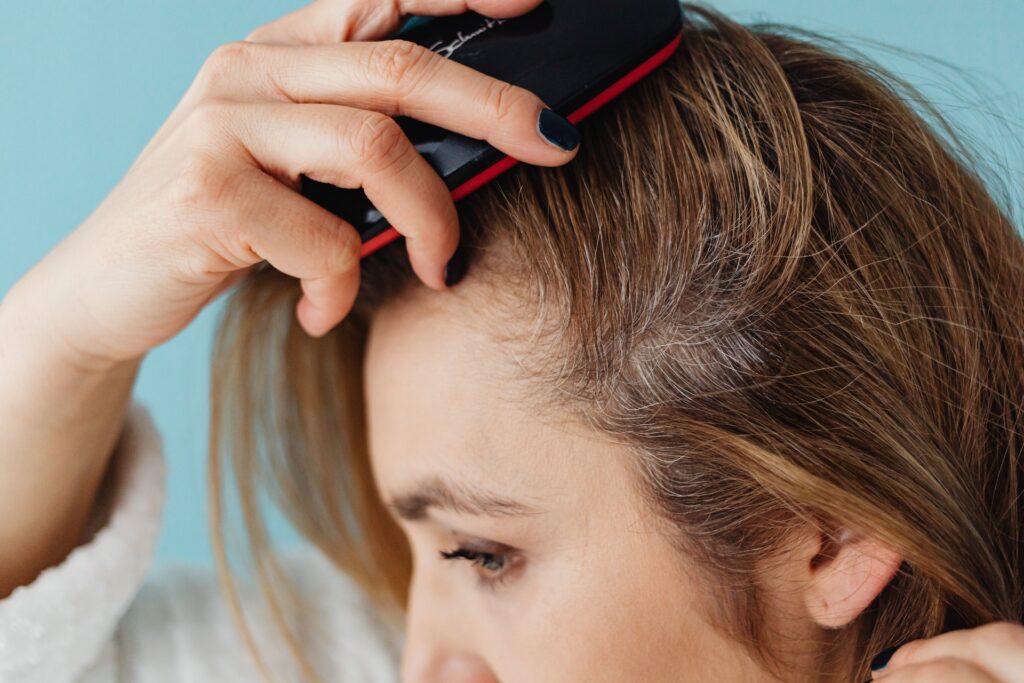
The world surrounding a woman changes, not her actual brain cells. The pregnant body sends a rush of varying hormones that affects different types of brain neurons so even though the brain by itself does not change, the environment does.
Memory issues, poor focus, and absentmindedness are among symptoms that women may feel as a result of these physiological changes to the brain. You are not making this up if you notice that you lose your keys more frequently, miss appointments, or forget why you climbed upstairs.
When a woman gets pregnant, her focus shifts to her unborn child as her first concern. She finds it difficult to focus and remember anything else because of her excitement and fear about all the significant changes this kid would bring to her life.
The attention has now been switched to the developing baby and getting ready for delivery, so, because the brain is so intensely focused on the baby and pregnancy, it is simple for women to forget about other things.
In addition, research has demonstrated that persistent stress and sleep deprivation have an adverse effect on memory and cognitive performance.

5. You may lose vision during pregnancy
Pregnancy-related vision alterations in some women are characterized by an increase in myopia. Sadly, the specific molecular mechanisms behind changes in eyesight are unknown. After giving birth, most women resume their pre-pregnancy eyesight.
Pregnancy frequently brings about changes, such as blurriness and discomfort when using contact lenses. There is frequently an increase in intraocular pressure in pregnant women. Preeclampsia or gestational diabetic women may have an increased chance of developing uncommon eye conditions such retinal detachment or vision loss.
6. Your skin will get darker, but not like a tan, more like in spots
Most pregnant women will get some form of hyperpigmentation throughout their pregnancy. Specifically, areas of the body like areolas, genitals, scars, and the linea alba (a dark line) running down the center of the belly darkens. Although it can happen to women of any skin tone, hyperpigmentation is more prevalent in those with darker skin tones.
Some parts of your body do get darker for a reason. For example the areolas get bigger and darker for breastfeeding. Yes, you are reading it right! When a baby is born it does not have its eyes fully developed so it does not see everything as clear as we might see. Thus, to be able to detect where the nipple is mother nature makes them more obvious.
Moreover, the skin on the face darkens in up to 70% of pregnant women. Melasma, sometimes known as the “mask” of pregnancy, is the name of this disorder. During pregnancy, a broad-spectrum UVA/UVB sunscreen should be applied every day since it might be aggravated by radiation from the sun. Melasma often goes away after pregnancy.

The hyperpigmentation brought on by pregnancy-related hormonal changes might alter the color of moles and freckles. Moles, freckles, and birthmarks may occasionally darken somewhat without any damage. However, if there are any changes in size, color, or form, it is always advisable to consult a dermatologist or doctor.
The development of dark spots of skin that are frequently unpreventable can also be brought on by pregnancy hormones. Although the majority of skin pigmentation changes will subside or vanish after delivery, certain mole or freckle color changes may be irreversible. If you notice any changes, it’s a good idea to get your skin checked for potential skin cancer or pregnancy-specific skin disorders.
7. You can get hemorrhoids, those are for live!
While hemorrhoids can manifest at any moment, most pregnant women have them in the third trimester, often beginning around week 28.
The veins in the anus may bulge due to increased blood supply to the pelvic region, pressure from the expanding uterus, and the growing fetus.
Constipation may also cause hemorrhoids since pregnant hormones slow down your bowel movements. The additional effort required to pass a firm stool might put pressure on your rectal veins, producing swelling and bulging.
They can cause pain and itching and are often treated topically with a cream or rectal massage. However, some women require surgery to take them off. This is why it is important to prevent them with a good diet, being highly hydrated and exercise.
8. Your breath stinks
Blame those pregnancy hormones for the overgrowth and inflammation of germs in your mouth, which can cause bleeding and poor breath. Pregnancy does predispose women for having gum and teeth issues, even if gingivitis in pregnancy is regarded unrelated to the quantity of plaque on your teeth, it is true that pregnant women have worst mouth and teeth than before becoming pregnant.
9. You can easily retain liquids
It’s normal to get some swelling in pregnancy, particularly in your legs, ankles, feet and fingers. This is known as liquid retention and it is very often in pregnant women.
Usually it gets worse at the end of the day and further into your pregnancy. You should not be worried if this swelling comes on gradually even though it is uncomfortable it’s not harmful. However, if you notice a sudden increase in swelling in can be a sign of preeclampsia as explained in the “preclampsia” post.
To try to avoid it you should not drink water after going to bed but drink plenty of water from the moment you wake up, even though it might seem contradictory, drinking a lot of water in the morning helps your body to pee and to eliminate all the excessive water. However, if you drink before going to bed, you are not going to eliminate all this water and its going to accumulate in your body. In addition, you should avoid standing on your feet for long periods of time and exercise frequently.

10. You will, for sure, have mood swings without explanation
Your body’s a bomb full of hormones making you go from the happiest and hilarious 5 minutes of your day to the worst 5 minutes of the day in just 5 seconds. You are going to cry without reason as well as start a burst of lighter by yourself.
Don’t worry it’s completely normal to feel everything this strongly. Enjoy every bit of it. This emotional stage of your life will last until your baby is probably 6 months or even more!