
Baby Acne vs Baby Eczema
Infants and newborns are known for having very soft skin, however, this is not always the case. Baby acne and eczema are two frequent skin diseases affecting newborns that can be difficult to recognize.
Baby acne appears as little pimples on the face, whereas eczema is distinguished by dry, flaky skin patches. Despite the fact that eczema is frequently linked to itching, acne may also be itchy. Baby acne typically affects the face, neck, back, and chest, while eczema typically affects the face, scalp, knees, and elbows.
Understanding the distinctions between infant acne vs eczema will help you in determining the best ways to care for your child’s skin. So, let’s compare newborn eczema and acne in terms of how they seem, what parts of the body they impact, when they’re likely to arise, and how to treat each skin problem.
Table of Contents
Difference between Baby Acne vs Eczema
Because of their similar look, baby acne and eczema are sometimes misunderstood. You can tell the two skin disorders apart more readily if you grasp the fundamental distinctions between them.
Baby Acne
Baby Eczema
Appearance of baby acne vs eczema
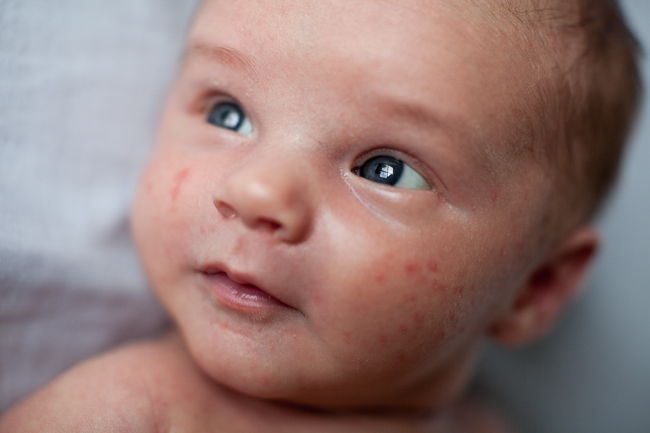
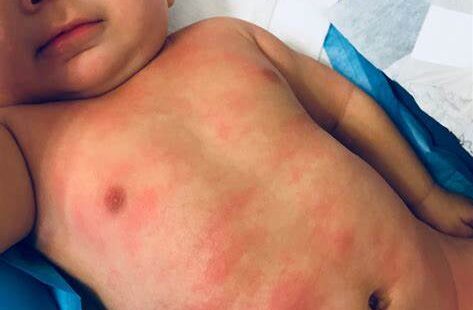
Baby acne manifests as little pimples on the face. Eczema can also be rough, but you’ll also notice dry, flaky areas of skin. Examine your baby’s skin for itching and scratching—itch is a common indication of eczema, but infant acne does not itch.
Body Location of baby acne and eczema
Both baby eczema and acne commonly develop on the forehead, chin, and scalp. Baby acne, on the other hand, frequently develops on the neck, back, and chest. Eczema, on the other hand, does occur on the elbows and knees.
Typical Age of Baby Acne vs eczema
Baby acne usually appears before eczema. Within the first 6 weeks after birth, babies acquire neonatal acne. Baby eczema commonly appears between the ages of 3 and 6 months.
| Appearance | Location | Age | |
|---|---|---|---|
|
Baby Acne |
Pimples |
Neck, Back and Chest |
First 6 weeks |
|
Baby Eczema |
Flaky itching areas |
Elbows and Knees |
3 to 6 months |
You should always consult your child’s physician or a dermatologist for an appropriate diagnosis. They can establish a diagnosis based on your child’s particular skin to guarantee the best possible therapy.
Baby Acne
What is baby acne?
Baby acne, also known as neonatal acne, is characterized by pimples on a baby’s face, neck, chest, or back. Some newborns have acne from birth, although the skin problem usually appears at the age of two weeks.
Baby acne usually clears up on its own in a few weeks or months, depending on the severity. Infantile acne, which occurs after 6 weeks of life, is less prevalent than neonatal acne.
How to treat baby acne?
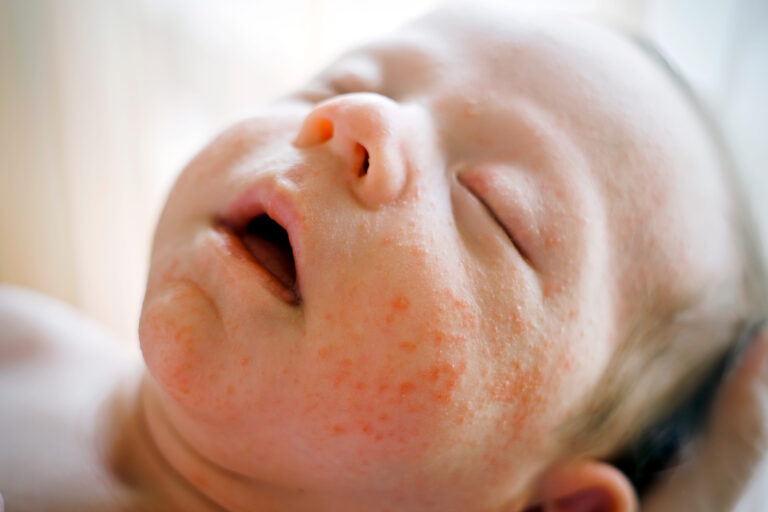
Most times, newborn acne does not require therapy. It usually goes away on its own within a few weeks to months.
Most dermatologists will recommend you to avoid cleansers and soaps that include perfumes and aren’t developed for newborn skin to help prevent worsening acne or irritation. Instead of touching your baby’s skin, pat it dry.
In addition, there are some tips that are recommended to help you care for your baby’s skin when he or she has acne:
- Wash your baby’s face every day. Warm water should be used to wash your baby’s face on a regular basis. Use plain water one day and water with a mild, moisturizing face soap the next.
- Gently pat your baby’s face dry. Dry your baby’s skin.
- Do not squeeze or scrape the acne. You risk causing further discomfort or illness.
- Lotions, ointments, and oils should be avoided. Such products are likely to aggravate infant acne.
If you want to read more about infantile acne we recommend the following article on Pubmed.
Baby eczema
What is baby eczema?
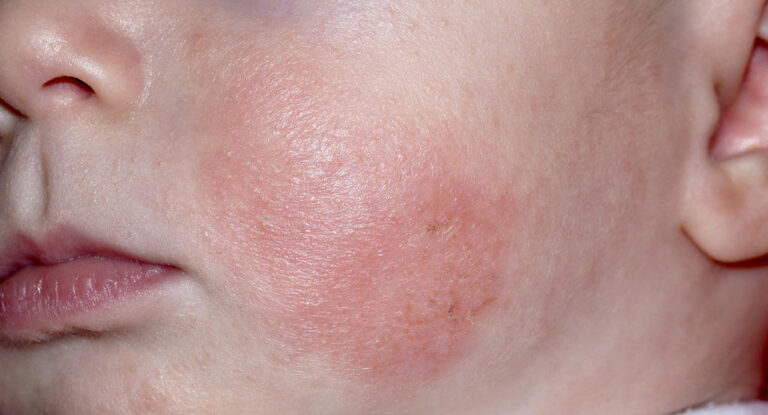
Eczema is an inflammatory skin disorder characterized by dry, itchy patches of skin that can be red or dark in color depending on your skin tone. Eczema also causes skin scaling, crusting, weeping, and swelling.
The inflammatory disorder most commonly manifests itself in newborns aged 3 to 6 months. Baby eczema often starts on the face and scalp within the first 6 months of life, and it frequently develops on the knees and elbows between the ages of 6 and 12 months.
How to treat baby eczema?
Many babies outgrow their eczema. While there is no treatment for eczema, making lifestyle adjustments and caring for your baby’s general skin health can help improve symptoms and make your kid more comfortable.
To reduce eczema flare-ups and relieve painful symptoms:
- Prevent scratching. Scratching aggravates rashes. Sharp nails can pierce the skin, causing further discomfort and increasing the risk of infection. Maintain your baby’s nails by trimming and filing them. Make your child wear gloves to protect their skin when scratching.
- Keep your child cool. Heat and perspiration aggravate dermatitis and aggravate irritation. Avoid over-layering blankets and wear your infant in breathable, cotton clothing. Bath time should also be brief, with lukewarm water.
- Maintain your baby’s microbiota. Bacterial imbalances on the skin are a major cause of eczema. Our Eczema Cream for Babies and Children is designed to gently restore balance to your baby’s skin microbiota.It is free of steroids and other harsh substances and is suitable for babies aged 3 months and up.
- Bathing and moisturizing on a daily basis is essential for treating infantile eczema (atopic dermatitis). Use a gentle cleaner and warm water. After a 15-minute bath, rinse thoroughly, gently pat your infant dry, and apply a fragrance-free lotion or ointment, such as petroleum jelly (Vaseline), while the skin is still moist. Moisturize at least twice a day, preferably after diaper changes. When trying a new moisturizer on a tiny area of the child’s skin, be sure it’s well-tolerated.
Baby eczema symptoms and indications may also be alleviated by avoiding irritants such as irritating fabric and harsh detergents, as well as temperature extremes. To prevent your child from scratching the rash, keep your baby’s nails short or use cotton mitts when sleeping.
If the problem persists or the rash turns purple, crusty, weepy, or contains blisters, get your infant checked by a doctor.
Atopic dermatitis
What is atopic dermatitis?
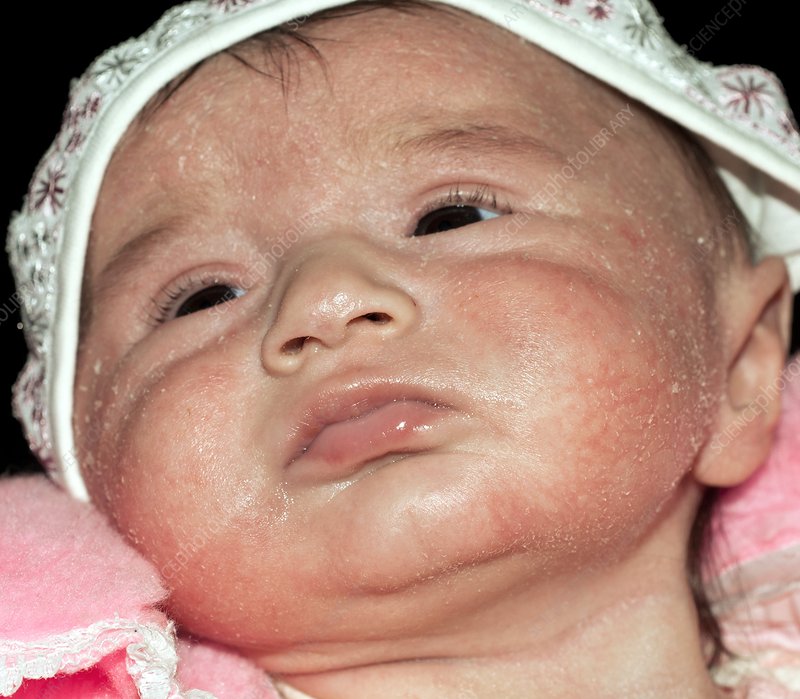
Atopic dermatitis is a skin illness that produces dry, itchy, and irritated skin and presents itself as eczema. It is most frequent in young children, but it can happen at any age.
Atopic dermatitis is a chronic condition that flares up from time to time. It can be annoying, but it is not contagious. However, atopic dermatitis patients are at risk of acquiring food allergies, hay fever, and asthma.
Symptoms of Atopic Dermatitis
Atopic dermatitis (eczema) symptoms can arise anywhere on the body and vary greatly across individuals. They might include:
- Skin that is dry and cracked
- Pruritus (itchiness)
- Rash on swollen skin that changes in color based on the color of your skin
- Bumpy, little pimples on brown or black skin
- Crusting and oozing
- Skin that has thickened
- Skin darkening around the eyes
- Scratching causes raw, irritated skin.
Atopic dermatitis often develops before the age of five and can last into adolescence and adulthood. For other people, it flares up and then goes away for a while, perhaps years.
Complications of atopic dermatitis
Atopic dermatitis (eczema) complications may include:
- Asthma and hay fever are two common allergies. Asthma and hay fever are common in patients with atopic dermatitis. This can occur before or after the onset of atopic dermatitis.
- Food allergies are common in people with atopic dermatitis. Hives (urticaria) are a common sign of this illness.
- Itchy, scaly skin that persists. A neurodermatitis (lichen simplex chronicus) skin rash begins with an itching patch of skin. You scrape the affected region, which only gives brief relief. Scratching causes itching because it triggers the nerve fibers in your skin. You may scratch out of habit over time. The afflicted skin may become discolored, thick, and leathery as a result of this disorder.
- Skin that is darker or lighter in color than the surrounding region. After the rash has healed, this consequence is known as post-inflammatory hyperpigmentation or hypopigmentation. People with dark or black complexions are more likely to have it. The discoloration may take several months to dissipate.
- Infections of the skin. Scratching that tears the skin repeatedly can result in open sores and fissures. These enhance the likelihood of bacterial and viral infection. These skin diseases can spread and become fatal.
- Hand dermatitis that is irritant. This is especially problematic for workers whose hands are frequently moist and subjected to strong soaps, detergents, and disinfectants.
- Contact dermatitis caused by allergies. This disorder is widespread in persons who suffer from atopic dermatitis. Allergic contact dermatitis is an itchy rash produced by coming into contact with anything to which you are allergic. The color of the rash may vary depending on your skin color.
- Sleep issues. The itching caused by atopic dermatitis might disrupt sleep.
Eczema itching and symptoms tend to be worse at night. This is because the body prepares for sleep by cooling down and reducing the core temperature an hour or two before bedtime. Heat escapes through the skin during this process, contributing to greater itching immediately before night. It’s common to wake up 2 to 6 times every night, even if you don’t remember it the next day. This regular sleep-wake cycle may induce irritation in those with eczema, leading to reflex scratching during the night.
- Mental health issues. Depression and anxiety are linked to atopic dermatitis. This might be connected to the persistent itching and sleep issues that atopic dermatitis patients experience.
Prevention of Atopic Dermatitis
Developing a basic skin care routine may aid in the prevention of eczema flare-ups. The following suggestions may assist in reducing the drying effects of bathing:
- At least twice a day, moisturize your skin. Creams, ointments, shea butter, and lotions help to keep moisture in. Select a product or items that are effective for you. Ideally, the ideal one for you will be odorless, safe, and effective.
- Using petroleum jelly on your baby’s skin may aid in the prevention of atopic dermatitis.
- Take a bath or shower every day. Use warm water rather than hot, and keep your bath or shower to no more than 10 minutes.
- Use a soap-free cleaner. Select a cleanser devoid of colors, alcohols, and aroma. For small toddlers, you normally simply need warm water to clean them – no soap or bubble bath required. Soap can be very irritating to young children’s skin. Deodorant and antibacterial soaps can strip away too much of the skin’s natural oils and dry up the skin in persons of all ages. Avoid using a washcloth or loofah to scrub the skin.
- Allow to air dry. After showering, pat the skin gently with a soft towel. While your skin is still damp (within three minutes), apply moisturizer.
The causes of atopic dermatitis differ greatly from person to person. Identify and avoid irritants that cause your eczema. In general, avoid anything that produces an itch, as scratching frequently promotes a flare.
Atopic dermatitis is commonly triggered by the following factors:
- Wool fabric with a rough texture
- Skin dehydration
- Infection of the skin
- Cleaning products for heat and sweat
- Pet dander and dust mites
- Pollen from mold Tobacco smoke
- Fragrances
- Other vexing chemicals
Certain foods, such as eggs and cow’s milk, may cause flares in infants and children. Discuss suspected food allergies with your child’s health care practitioner.
Once you’ve determined what causes your eczema, consult with your doctor about how to manage your symptoms and avoid flare-ups.
Diagnosis of Atopic Dermatitis
To diagnose atopic dermatitis, your doctor will most likely ask you about your symptoms, inspect your skin, and go over your medical history. You may require testing to rule out other skin problems and discover sensitivities.
If you suspect a food allergy is to blame for your child’s rash, consult with his or her doctor.
Patch evaluation
Patch testing on your skin may be advised by your doctor. Small quantities of various chemicals are placed on your skin and then covered in this test. During subsequent appointments, the doctor will examine your skin for evidence of a reaction. Patch testing can aid in the diagnosis of certain types of allergens that are causing your dermatitis.
Treatment of Atopic Dermatitis
Atopic dermatitis treatment may begin with daily moisturizing and other self-care behaviors. If they don’t work, your doctor may recommend medicinal lotions to relieve itching and restore skin. These are occasionally used in conjunction with other therapies.
Atopic dermatitis can be chronic. To manage it, you may need to attempt many therapies over months or years. Even if therapy is effective, symptoms may reappear (flare).
Medications
- Medical products that are applied to the skin. There are several methods available to help decrease itching and restore the skin. Products come in a variety of strengths and as creams, gels, and ointments.
Discuss your alternatives and preferences with your health care practitioner. Apply it as prescribed (typically twice a day) before applying moisturizer. Excessive usage of a corticosteroid product applied to the skin may result in adverse effects such as skin thinning.
For individuals above the age of 2, calcineurin inhibitor creams or ointments may be an option. Tacrolimus (Protopic) and pimecrolimus (Elidel) are two examples. Apply it before moisturizing as advised. When using these goods, keep them out of direct sunlight.
The Food and Drug Administration mandates a black box warning regarding the risk of lymphoma for these products. This warning is based on a small number of incidences of lymphoma in patients who used topical calcineurin inhibitors. After ten years of research, no causal association between these goods and lymphoma or increased cancer risk has been discovered.
2. Infection-fighting medications. To cure an infection, your doctor may prescribe antibiotic medications.
3. Inflammation-controlling pills. Your doctor may prescribe medicines to assist reduce your symptoms if you have severe eczema. Cyclosporine, methotrexate, prednisone, mycophenolate, and azathioprine are possible treatments. These tablets are efficient, however they should not be used long term due to the possibility of major adverse effects.
4. Other treatment options for severe eczema. Dupilumab (Dupixent) and tralokinumab (Adbry), injectable biologics (monoclonal antibodies), may be choices for persons with moderate to severe illness who have not responded well to conventional treatments. According to research, it is both safe and efficient in alleviating the symptoms of atopic dermatitis. Dupilumab is only for persons above the age of six. Tralokinumab is only prescribed to adults.
Therapies
- Wet dressings. Applying a corticosteroid ointment and sealing it in with a wrap of moist gauze covered with a layer of dry gauze is an effective, intensive therapy for severe eczema. Because it is labor demanding and needs nursing skill, this is sometimes done in a hospital for persons with broad lesions. Alternatively, speak with your doctor about learning how to apply this approach safely at home.
- Light therapy. This therapy is useful for those who either do not improve with topical therapies or relapse quickly after treatment. The most basic method of light treatment (phototherapy) is to expose the afflicted region to regulated levels of natural sunshine. Other types employ artificial ultraviolet A (UVA) and narrow band ultraviolet B (UVB) alone or in combination with medications.
- Counseling. If you’re embarrassed or annoyed by your skin issue, speaking with a therapist or other counselor can help.
- Relaxation, behavior modification, and biofeedback are all options. These methods may be useful for persons who scratch out of habit.
Specific Treatment for Atopic Dermatitis
Baby’s skin is much more sensible than adult’s, this is why there are some treatments that cannot be used on them. Infantile eczema treatment consists of the following steps:
- Recognizing and avoiding skin irritants
- Avoiding high temperatures
- Giving your infant a quick bath in warm water and applying a lotion or ointment to moist skin
If these procedures do not alleviate the rash or it appears infected, consult your baby’s doctor. To manage the rash or cure an infection, your kid may require prescription lotion.
Your doctor may also prescribe an antihistamine to assist relieve itching and promote sleepiness, which may be beneficial for overnight irritation and pain. Some children’s school performance may suffer as a result of the sort of antihistamine that induces sleepiness.
Lifestyle to help atopic dermatitis
The first step in treating atopic dermatitis and avoiding flares is to take care of sensitive skin. Try the following self-care steps to help relieve itching and soothe irritated skin:
- At least twice a day, moisturize your skin. Find a product or a product combination that works for you. Bath oils, creams, lotions, shea butter, ointments, and sprays are all options. A child’s twice-daily regimen can consist of an ointment before night and a lotion before school. When applied, ointments are greasier and may hurt less. Choose goods that are devoid of colors, alcohols, perfumes, and other potentially irritating substances. Allow the moisturizer to seep into your skin before dressing.
- Apply an itch-relieving lotion to the afflicted region. A nonprescription lotion containing at least 1% hydrocortisone can provide temporary relief. Apply it to the afflicted region no more than twice a day before moisturizing. Once your sensitivity has improved, you can use this cream less frequently to avoid flare-ups.
- Take an allergy or anti-itch medicine orally. Nonprescription allergy medications (antihistamines) such as cetirizine (Zyrtec Allergy) or fexofenadine (Allegra Allergy) are options. If the itching is severe, diphenhydramine (Benadryl, among others) may be beneficial. However, it induces sleepiness, making it preferable for nighttime. Some children’s school performance may suffer as a result of the sort of antihistamine that induces sleepiness.
- Do not scratch. Instead of scratching, try pushing on or patting the skin when itches. If you can’t stop scratching, cover the irritating region. Maintain proper nail care. Trimming children’s nails and requiring them to wear socks or gloves at night may be beneficial.
- Take a bath or shower every day. Use warm water instead of hot water. If you’re having a bath, add colloidal oatmeal, which is finely ground oatmeal designed for bathing (Aveeno, among others). Soak for no more than 10 minutes before patting dry. While the skin is still wet (within three minutes), apply moisturizer.
- Make use of a humidifier. Hot, dry indoor air can irritate sensitive skin, exacerbating itching and peeling. A humidifier, either portable or linked to your furnace, adds moisture to the air within your house.
- Wear garments with a cool, silky feel. Clothing that is rough, tight, or scratchy should be avoided. In addition, in hot weather or when exercising, wear lightweight clothes that allows your skin to breathe. Avoid strong detergents and fabric softeners used during the drying cycle while washing your clothes.
- Stress and anxiety should be treated. Atopic dermatitis can be exacerbated by stress and other mental problems. Recognizing stress and anxiety and taking actions to enhance your mental health may benefit your skin as well.
Conclusion of Baby acne vs eczema
Acne on a baby’s face, neck, chest, or back is referred to as baby acne or neonatal acne. Within a few weeks to months, it normally goes away on its own after first appearing about two weeks of age.
- Most of the time, no treatment is necessary, but it is advised to avoid cleansers and soaps with fragrances and to gently pat the baby’s skin dry.
- Avoid squeezing or scraping the acne, and stay away from oils, lotions, and other topical treatments because they might make the problem worse.
infant eczema
Eczema in babies is an inflammatory skin condition marked by dry, itchy patches of skin that may be red or black in color.
Within the first six months of life, baby eczema frequently begins on the face and scalp and can later manifest on the knees and elbows.
- As the baby gets older, it frequently gets better, but to treat the symptoms, lifestyle changes and appropriate skin care are required.
- Preventing scratching, keeping the baby cool, preserving the skin’s microbiota, routinely bathing with mild cleansers, and daily moisturizing with fragrance-free lotions or ointments are all methods for managing baby eczema.
Baby acne vs eczema differences
Baby acne appears as little pimples on the face, whereas eczema is distinguished by dry, flaky skin patches. Despite the fact that eczema is frequently linked to itching, acne may also be itchy.
Baby acne typically affects the face, neck, back, and chest, while eczema typically affects the face, scalp, knees, and elbows.
Age of Onset: infant eczema often appears between 3 and 6 months of age, while infant acne typically appears within the first 6 weeks of life.
- Therapy: Baby eczema requires continuing management through lifestyle changes and appropriate skin care, including washing and moisturizing routines. Baby acne typically clears up on its own without therapy.