Pregnancy Sings and Symptoms
Early Pregnancy Sings and Symptoms
Either if you already know that you are pregnant or if you are wondering if you could be, I am sure that you are expecting to learn all the signs and symptoms that can be related to pregnancy and what is exactly causing them.
Every woman is a world and there is no pregnancy comparable to another. What is true is that there are some symptoms, mostly early symptoms, that are commonly associated with pregnancy. The most known early signs and symptoms of pregnancy might include:
Missed period
This is probably the most common sign of pregnancy since almost every pregnant woman loses her period during pregnancy. So, if you’re in your childbearing years and a week or more has passed without the start of an expected menstrual cycle, you might be pregnant.
However, this is also one of the most confusing signs of pregnancy because a missed period can happen for such a long list of things. Some women have a very irregular period so this will not work for them, neither in women that are stressed both for work or personal issues since stress can dysregulate our period.
Tender, swollen breasts
Not a lot of people know that one of the most common, and at the same time mistaken, early symptoms of pregnancy are tender and swollen breasts. This is caused by the hormonal cocktail that your body is into during the first weeks of pregnancy. The discomfort will likely decrease after a few weeks as your body adjusts to hormonal changes.
Nausea with or without vomiting
Films and series are full of women discovering they are pregnant because they are nauseous every morning. Morning sickness, which can occur at any time of the day or night, often begins one to two months after you become pregnant and usually only lasts until the third month. Luckily not all women have to pass through this. While the cause of nausea during pregnancy isn’t clear, pregnancy hormones likely play a role.
Increased urination
Some women might find themselves urinating more often than usual, but rarely will associate this to an early pregnancy. This does not only happen during the last month of pregnancy, as we all know, where the baby weight pushes the bladder but also in the early stages where the amount of blood in your body increases, causing your kidneys to process extra fluid that ends up in your bladder.
Fatigue
Fatigue also ranks high among early symptoms of pregnancy. No one knows for certain what causes sleepiness during the first trimester of pregnancy. However, a rapid rise in the levels of the hormone progesterone during early pregnancy might contribute to fatigue.
Others
Other less obvious signs and symptoms of pregnancy that you might experience mostly during the first trimester include:
- Moodiness: The flood of hormones in your body in early pregnancy can make you unusually emotional and weepy. Mood swings also are common.
- Bloating: Hormonal changes during early pregnancy can cause you to feel bloated, similar to how you might feel at the start of a menstrual period.
- Light spotting: Light spotting might be one of the first signs of pregnancy. Known as implantation bleeding, it happens when the fertilized egg attaches to the lining of the uterus — about 10 to 14 days after conception. Implantation bleeding occurs around the time you would expect to have a menstrual period. However, not all women have it.
- Cramping: Some women experience mild uterine cramping early in pregnancy.
- Constipation: Hormonal changes cause your digestive system to slow down, which can lead to constipation. Even though this mostly might happen during the first semester, some women are constipated during the full duration of their pregnancy.
- Food aversions: Another one that, as well as the nauseous, are well known for its appearance in multiple films. When you’re pregnant, you might become more sensitive to certain odors and your sense of taste might change. Like most other symptoms of pregnancy, these food preferences can be chalked up to hormonal changes.
- Nasal congestion: Increasing hormone levels and blood production can cause the mucous membranes in your nose to swell, dry out and bleed easily. This might cause you to have a stuffy or runny nose. Even though it is one of the last symptoms to be related to pregnancy it is actually very common between future mothers.
Many of these signs and symptoms aren’t unique to pregnancy. Some can indicate that you’re getting sick or that your period is about to start. Likewise, you can be pregnant without experiencing many of these symptoms.
Still, if you miss a period and notice some of the above signs or symptoms, take a home pregnancy test or see your healthcare provider. If your home pregnancy test is positive, make an appointment with your healthcare provider. The sooner your pregnancy is confirmed, the sooner you can begin prenatal care.
Late Pregnancy Signs and Symptoms
As time passes and the pregnancy evolves, these early symptoms disappear and other new ones begin to make them notice. People often only expect to notice cute changes to their body, such as a growing bump and having bigger boobs. However, there is also another side of the story.
Some of the most common late pregnancy signs and symptoms are swelling, not only in the breast, but also in their legs, arms and face including lips, eyes and cheeks. Another difference that pregnant women might notice is that the white line that runs down the middle of the abdomen, the linea alba, darkens and becomes the linea nigra.
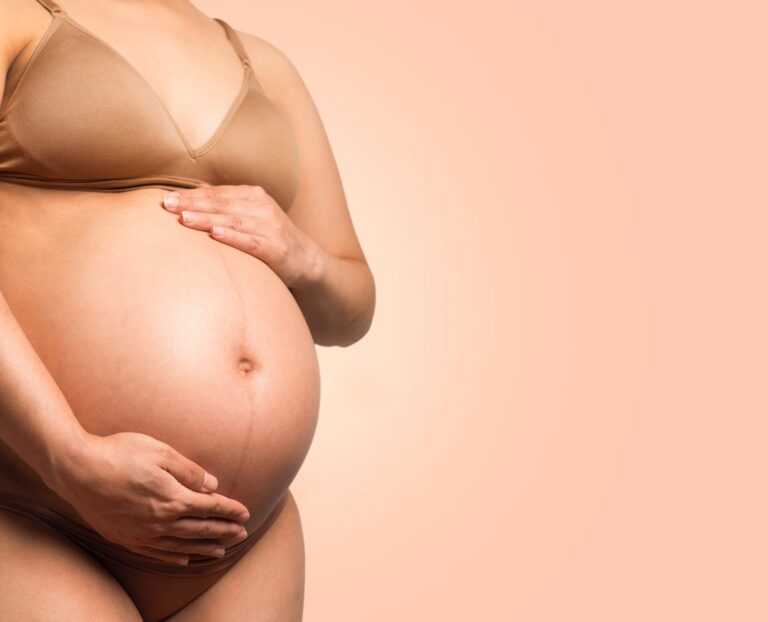
This can be tedious but in the end they are not harmful, but it is not always like this. Pregnancy also includes back pain when the baby starts to weigh more and sometimes stretch marks, varicose, hemorrhoids and spider veins. As the pregnancy comes to the end, women can also experience shortness of breath since the baby is pushing up the lungs and less air can come in. One very curious symptom are the Braxton Hicks, that even though not all pregnant women go through them, they are quite common.
Other symptoms that come late in pregnancy are related to breastfeeding. Your body is preparing for the baby to come and get it. It has to change a little bit. For example, your nipples will grow and darkened for the baby to easily identify them. Besides, some women will have little bumps in the areola, this should not worry you since they help the baby to adhere when sucking.
All these symptoms may come and go, and there are women that do not experience them at all. Besides, these are biological and completely normal symptoms that should not worry you. Nonetheless, there are other symptoms that are pathologic, meaning that they are showing that something is wrong.
For example, rapid or significant swelling that may occur in the face, hands and feet may be related to preeclampsia. These symptoms, when they happen to be gradual, are normal, but if the pregnant woman notices them to appear quick and related to others such as blurry vision, headache, abdominal pain or nausea/vomiting; she should go to their doctor as soon as possible to be evaluated for preclampsia.
It is important to not be worried all the time, however, everything that you are sensing and anytime you are worried about anything, you should be mentioning it to your doctor. Most of the time you will be fine, but prevention is better than cure.